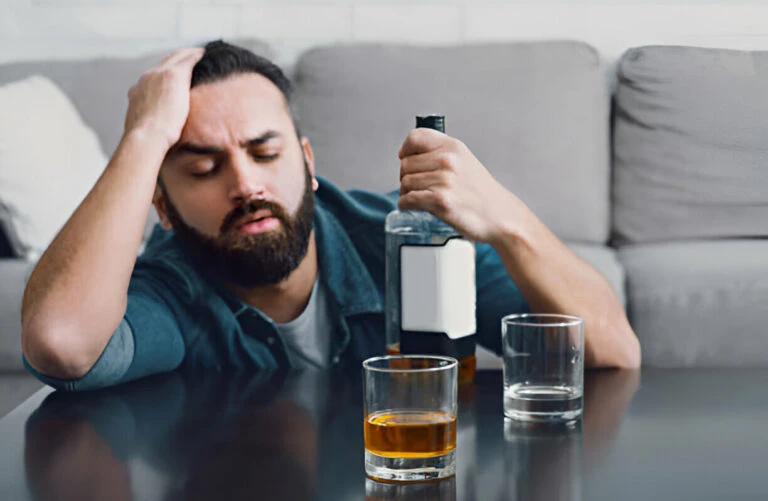


You don’t look like an alcoholic. You haven’t lost your house, your job, your ability to smile on Sunday morning. Maybe you’re even the person people rely on—the one who fixes things, shows up, and gets it done. But behind all that? You’re barely holding it together.
I was the same way. I told myself, “I’m not like those people.” But I was dying inside from the pressure of pretending. When I finally walked through the doors of an Intensive Outpatient Program IOP in Columbus, I didn’t lose my job, my family, or my standing. What I lost was the crushing need to drink just to function.
If you’ve been scared of “what treatment will do to your life,” let’s talk about what an IOP actually teaches you—because it might just give you back a life you forgot you could have.
You Learn to Be Honest Without Losing Everything
High-functioning people are professional liars. We lie to ourselves: I can handle it. We lie to others: Just a glass of wine, no big deal. The first thing you learn in an intensive outpatient rehab Columbus Ohio program? How to stop lying without your world falling apart.
Honesty doesn’t burn down your life—it rebuilds it. IOP shows you how to speak the truth about your addiction, your struggles, your mental health, and instead of rejection, you find freedom. You learn that honesty is a survival tool, not a confession booth. And in those rooms, you’re seen fully—for the first time in years.
You Learn How to Manage Cravings in the Real World
Maybe you’ve made it a few weeks sober before. Maybe even a few months. And then stress hits, or loneliness creeps in, or that Friday evening pull hits like a tidal wave. IOP is where you stop fighting cravings with sheer willpower and start using actual tools.
You’ll learn practical strategies: interrupting triggers, grounding yourself, handling social situations, managing work stress without reaching for the bottle. Our Columbus Intensive Outpatient Program IOP teaches you not just why you crave but how to move through cravings without white-knuckling your way into misery.
You Learn Boundaries—For Real This Time
You’ve been saying yes when you wanted to say no for years. The meetings after work. The family expectations. The “sure, I’ll help” that always ends in exhaustion. IOP rewires this.
In IOP, you’ll practice boundary setting. You’ll learn to say no without guilt and to prioritize your own recovery without apology. People might not love the new boundaries at first—but you will. And the people who respect your growth? Those are your people.

You Learn That Faith Can Be Part of Recovery Without the Guilt Trip
A lot of us tried to pray the addiction away. I did. You probably did too. When that didn’t work, it was easy to assume God had given up on us—or we had failed Him. IOP helps you untangle that lie.
At Freedom Recovery, you don’t have to check your faith at the door. If you want, you can explore how faith and recovery fit together. You’ll learn addiction isn’t a moral failing—it’s a condition, one you can treat without abandoning your beliefs. In fact, my faith felt clearer sober than it ever did with alcohol fogging it up.
You Learn Accountability That Doesn’t Feel Like Micromanagement
Before IOP, I thought accountability meant punishment. People checking up on you, waiting for you to screw up. But in IOP, accountability becomes your safety net—not your leash.
You’ll build relationships with people who get it—the ones who notice when you go quiet, who call when they haven’t seen you, who remind you that you matter. You’ll get therapists who aren’t impressed by your career or excuses. They see you. They call you out but also call you forward.
You Learn How to Function Without the Crutch
This was the skill that scared me the most. I didn’t know who I was without the nightly wine buzz or the party high. IOP teaches you to find out.
And here’s what’s wild: you’re still you. Only sharper, steadier, and more present. You’ll rediscover things you liked before substances stole your evenings—music, faith, family, real friendships. The version of you underneath addiction isn’t boring; it’s alive. IOP helps you reconnect with that person.
You Learn to Live Without the Mask
The truth? High-functioning addiction is all mask. The curated social media, the “I’ve got this” attitude, the big laughs covering emptiness. IOP doesn’t teach you to fake it better—it teaches you how to not have to fake it anymore.
And that, my friend, is freedom.
FAQs About Intensive Outpatient Program IOP
What exactly is an Intensive Outpatient Program IOP?
An IOP is structured addiction treatment that allows you to get high-level care while still living at home. It’s typically 9-15 hours per week of therapy, groups, and individual sessions.
Will I lose my job if I go to IOP?
No. Many people work full-time while attending IOP, especially at Freedom Recovery where programs are designed to flex around work schedules.
Does IOP include faith-based support?
It can. At Freedom Recovery, we respect individual beliefs and offer space to reconnect faith to recovery without judgment or pressure.
Is IOP just group therapy?
No. You’ll have individual counseling, skills training, relapse prevention education, and group therapy designed to fit your needs.
How long does IOP last?
Most programs run 8-12 weeks, but it depends on your progress and goals. Freedom Recovery customizes timelines to support sustainable change.
Can I attend IOP after relapsing?
Absolutely. Many people start IOP after a relapse. There’s no judgment—just next steps forward.
If you’re tired of pretending everything is fine, if you’re ready to stop relying on the mask, if you’re done white-knuckling your life while looking functional—IOP might be exactly what you need.
Looking for Intensive Outpatient Program IOP in Columbus, Ohio? Freedom Recovery sees you. Ready to make the shift? Call (888)643-7567 or visit our Intensive Outpatient Program IOP. You’ve carried this long enough. It’s time to live.