

Sober October is a month-long challenge where participants cut out alcohol from October 1 through October 31. It started in 2014 in the UK as a Macmillan Cancer Support fundraiser and has since grown into a broader, informal wellness reset that plenty of people take on without any connection to the original charity angle.
What a Month Off Alcohol Can Reveal About Your Relationship With Drinking
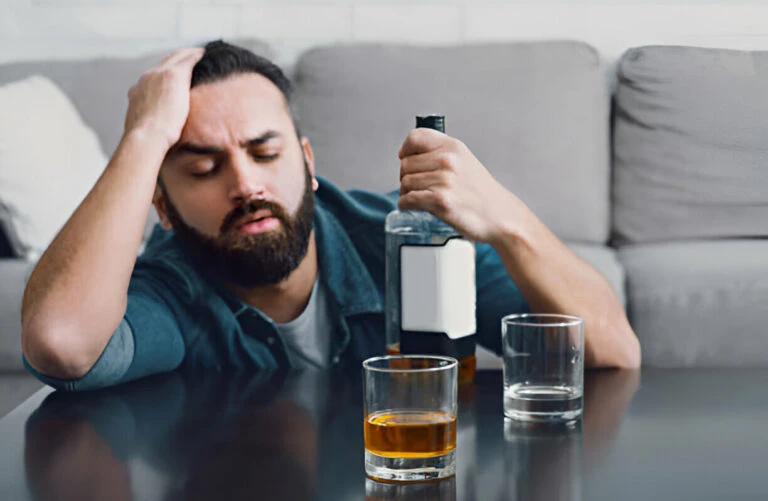
For a lot of people, thirty-one days without a drink is simply a healthy break, nothing more complicated than that. But for others, the challenge surfaces something they hadn’t fully looked at: how often they were reaching for a drink to manage stress, how much planning went into avoiding situations without alcohol, or how much harder those first few days felt than expected. None of that automatically means something is wrong. It’s worth paying attention to, though, especially if the difficulty feels disproportionate to “just skipping drinks for a month.”
Signs Sober October Is Harder Than Expected
A few signs suggest this might be more than a lifestyle tweak:
- Physical symptoms like shakiness, sweating, or nausea in the first few days
- Trouble sleeping that goes beyond the usual adjustment period
- Irritability or anxiety that feels more intense than expected
- Strong, persistent cravings that don’t ease up after the first week
- Realizing you’ve been drinking daily, or close to it, for longer than you’d assumed
Physical withdrawal symptoms from alcohol, even mild ones, are worth taking seriously. Withdrawal from any substance follows a predictable pattern, and alcohol withdrawal in particular can range from uncomfortable to medically significant depending on how much and how often someone has been drinking.
When 31 Days Isn’t Enough
Sober October is a personal challenge, not a treatment program, and that’s fine for most people who take it on. But if the month reveals a pattern that goes deeper, daily drinking, physical withdrawal symptoms, or a sense that willpower alone isn’t going to be enough long-term, that’s worth exploring with actual support. Freedom Recovery’s outpatient alcohol detox program in Columbus offers medically supervised support for people whose relationship with alcohol needs more than a calendar month to address.
Frequently Asked Questions About Sober October
Is Sober October the same as being in recovery?
No. Sober October is a time-limited personal challenge, while recovery typically refers to an ongoing, sustained process of addressing a substance use disorder, often with professional support.
What if I can’t make it through the month?
Struggling to complete the challenge isn’t a personal failure, but it can be useful information. If stopping for even a short period feels unusually difficult, it’s worth talking to someone about what’s actually going on.
Is it normal to feel withdrawal from just one month of heavy drinking?
Withdrawal symptoms depend more on drinking frequency and amount than on any specific timeframe. Someone who drinks daily, even over a shorter overall period, can experience real withdrawal symptoms when they stop.
If Sober October Turns Into Something More, We’re Here
Whether October ends up being a clean, uneventful reset or a moment that reveals something bigger, Freedom Recovery’s outpatient team in Columbus and Central Ohio is available to talk through what you’re noticing. Call (888) 643-7567 or reach out through our contact page anytime this month.