



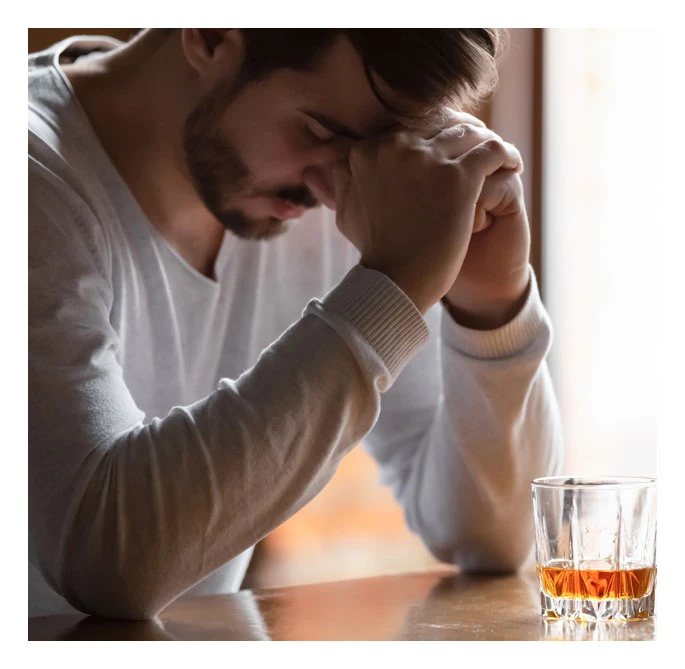
Recovery from heroin addiction is possible. With the right combination of treatment, support, and ongoing care, people can break the cycle of opioid use and begin rebuilding their health, relationships, and daily lives.
Freedom Recovery provides heroin addiction treatment as part of our broader addiction treatment in Ohio, with outpatient services available in Columbus and communities throughout the state. Our approach combines evidence-based addiction care with individualized support and the option to incorporate Christian faith into the recovery process.
Treatment may include medication-assisted treatment (MAT), counseling, structured outpatient programming, relapse prevention, and connections to a supportive recovery community. Your care begins with an assessment so our team can understand what you are experiencing and help determine an appropriate next step.
Heroin is an opioid, and repeated use can lead to tolerance and physical dependence. Over time, a person may need larger or more frequent amounts to achieve the same effects or simply to avoid feeling sick.
When heroin use stops, withdrawal can cause symptoms such as nausea, vomiting, diarrhea, sweating, restlessness, muscle and bone pain, anxiety, insomnia, and intense cravings. The discomfort of withdrawal can make returning to heroin feel like the quickest way to get relief, reinforcing a cycle that can be extremely difficult to interrupt without support.
Heroin purchased illegally also carries an unpredictable overdose risk. The strength and contents of the drug are unknown, and heroin may contain fentanyl or other substances without the person using it knowing. Changes in tolerance can further increase overdose risk, particularly if someone returns to opioid use after a period of abstinence.
These risks are among the reasons professional addiction treatment in Ohio can be so important. Treatment addresses more than stopping heroin use. It can help manage cravings and withdrawal, identify patterns that contribute to continued use, and build the support and skills needed for longer-term recovery.

Heroin addiction does not always look the same from one person to another. Someone may continue working, caring for family, or maintaining other responsibilities while struggling with an opioid use disorder.
What matters is not whether a person fits a particular image of addiction, but whether heroin use is becoming difficult to control and causing harm.
Possible signs of heroin addiction can include:
A person does not need to experience every one of these signs to need help.
Changes related to heroin use can be difficult to recognize, particularly when someone is trying to hide their substance use.
You may notice unexplained changes in mood or behavior, increasing isolation, financial problems, missed responsibilities, changes in social circles, unusual sleep patterns, or periods when your loved one seems unusually drowsy or difficult to engage.
If you are concerned about someone, you do not need to diagnose the problem yourself. A professional assessment can help clarify what is happening and what type of support may be appropriate.
Effective heroin addiction treatment addresses both the physical effects of opioid dependence and the behaviors, circumstances, and emotional challenges that can contribute to continued use.
At Freedom Recovery, treatment is individualized rather than built around a single approach for everyone.
Medication-assisted treatment (MAT) can be an important part of treatment for opioid use disorder. Medications such as buprenorphine and naltrexone may be used when clinically appropriate to help address withdrawal symptoms, cravings, or the effects of opioids.
Medication is not a substitute for recovery work. When MAT is part of a treatment plan, it can be combined with counseling, education, relapse-prevention strategies, and other forms of ongoing support.
Not everyone needs the same medication or treatment approach. An assessment helps determine what options may be appropriate based on your substance use, health, withdrawal risk, and recovery needs.
Heroin addiction affects more than the body. Treatment also needs to address the patterns, triggers, emotions, relationships, and circumstances connected to substance use.
Counseling can help you understand those patterns and develop practical ways to respond differently. Depending on your treatment plan, care may include individual counseling, group therapy, addiction education, relapse prevention, and evidence-based therapeutic approaches.
Recovery also becomes easier to sustain when you are not trying to do it alone. Building relationships with peers and connecting with a recovery community can provide accountability, encouragement, and support as life begins to change.

Freedom Recovery was founded by people who understand addiction and recovery personally. Our Christian faith is an important part of who we are and why we believe change is possible.
We combine evidence-based addiction treatment with opportunities for spiritual support, prayer, reflection, and Christian principles. For people who want faith to be part of their recovery, treatment can provide space to work through questions involving forgiveness, shame, purpose, relationships, and rebuilding a connection with God.
You do not need to be a Christian to receive treatment at Freedom Recovery. We welcome people from different backgrounds and beliefs, and participation in spiritual elements is never about pressure or judgment.
Our goal is to help you heal as a whole person and discover a life beyond addiction.
The right level of treatment depends on your individual needs, including the severity of heroin use, withdrawal risk, physical and mental health, home environment, and ability to participate safely in outpatient care.
Freedom Recovery offers several addiction treatment programs that allow eligible clients to receive structured support while continuing to live in the community.
Telehealth can also make certain treatment services accessible remotely for eligible clients, while recovery housing may provide additional structure and community for people who need a supportive living environment during treatment.

Many health insurance plans provide coverage for substance use disorder treatment, although your specific benefits depend on your plan, medical needs, recommended services, provider network, and any authorization requirements.
Freedom Recovery accepts Ohio Medicaid as well as many commercial insurance plans. Our team can verify your benefits and explain what your coverage may mean for treatment before you begin.
If you are unsure what your insurance covers, contact us. We can help you understand your options and identify an appropriate path forward.
Heroin withdrawal can begin relatively quickly after the last use. Symptoms often become more intense during the first several days before gradually improving, although cravings, sleep problems, mood changes, and other symptoms can continue longer.
Withdrawal experiences vary based on factors such as the amount and frequency of heroin use, duration of use, other substances involved, and individual health. An assessment can help determine whether outpatient withdrawal support is appropriate or whether a different setting is needed.
No. Medication-assisted treatment can be highly beneficial for some people with opioid use disorder, but treatment should be individualized.
A qualified provider can assess your opioid use, withdrawal symptoms, medical history, previous treatment experiences, and other factors to determine whether medication should be part of your care.
Yes, many people can receive effective heroin addiction treatment in an outpatient setting. Outpatient care may be appropriate when a person is medically stable, has a suitable living environment, and can safely participate in treatment while living outside a facility.
Outpatient treatment is not appropriate for every situation. If your needs require a different level of care, an assessment can help identify a safer or more appropriate option.
Insurance frequently provides benefits for substance use disorder treatment, but coverage varies by plan and by the services you need.
Freedom Recovery accepts Ohio Medicaid and many commercial insurance plans. Our team can verify your benefits and help you understand your coverage before treatment begins.
You do not have to wait until heroin addiction takes something else from your life before asking for help.
Freedom Recovery provides compassionate, evidence-based outpatient treatment in Columbus and other Ohio communities, with a faith-informed approach for those who want spiritual support as part of recovery.
Call (888) 643-7567 to speak with our team or contact Freedom Recovery to take the next step toward treatment.