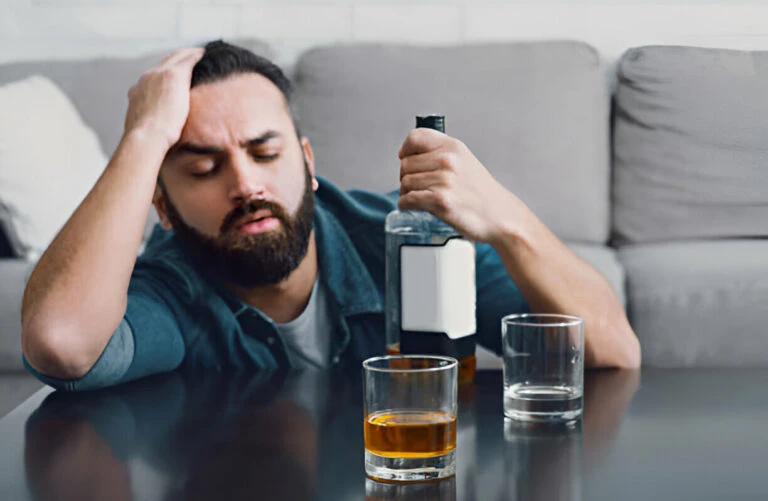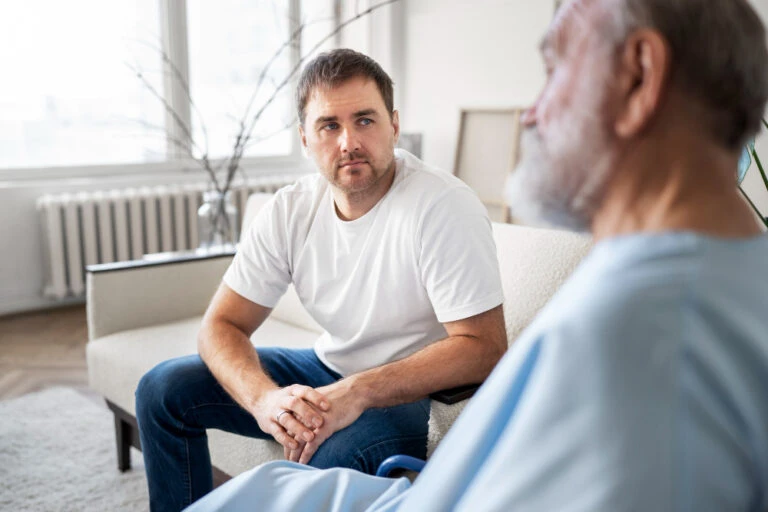


Even if you’re “not sure yet,” coming back to treatment is allowed. No long explanation needed. No guilt trip waiting for you at the door. Whether you dropped out, ghosted, or quietly stopped showing up, outpatient rehab still has a place for you.
At Freedom Recovery in Columbus, Ohio, we know re-entry takes courage. So instead of pressuring you to commit, we want to help you understand what outpatient treatment actually looks like. Because the more you know, the easier it gets to picture yourself back in the room.
Explore our outpatient program in Columbus, Ohio—on your own terms, at your own pace.
Group Therapy: Relief That You’re Not the Only One
Group therapy often feels like the scariest part. But many clients tell us it’s the part that kept them coming back.
Outpatient groups aren’t confession booths or “sob story” circles. They’re structured, led by trained therapists, and focused on connection and skill-building. Most programs include:
- Process groups, where you talk through real-life issues (like cravings, conflict, or shame)
- Psychoeducational groups, where you learn how addiction, trauma, and mental health interact
You don’t have to share right away. You don’t have to say anything you’re not ready to say. Just listening can be enough at first.
“I didn’t talk for two weeks. But hearing other people say what I couldn’t helped me stay.” – Outpatient Client, 2023
Individual Therapy: No Pressure, Just Space
Everyone has different reasons for walking away from treatment. Some didn’t click with their therapist. Some felt overwhelmed. Others weren’t ready for what was coming up emotionally.
That’s why we prioritize individual therapy in outpatient rehab. It gives you a consistent, private space to:
- Sort out big feelings (without having to perform)
- Talk through what led to your pause
- Rebuild trust—in yourself, and in the process
We match you with a therapist trained in both mental health and substance use—someone who gets how complex your story might be. And if it doesn’t feel right? You’re allowed to switch. That’s part of what makes this work sustainable.
CBT and DBT: Tools That Help You Respond Instead of React
If you’ve heard of CBT (Cognitive Behavioral Therapy) or DBT (Dialectical Behavior Therapy) but aren’t sure what they mean, here’s the short version:
- CBT helps you identify the unhelpful thought loops that drive actions you regret. For example: “I already messed up, so I might as well keep going.”
- DBT gives you concrete tools to manage overwhelming feelings—like anger, sadness, or shame—without numbing or lashing out.
These aren’t “one-size-fits-all” therapies. You’ll work with your therapist to adapt them to your life—your relationships, your triggers, your patterns.
Think of CBT and DBT like mental self-defense. They help you pause, breathe, and choose something different—even when your brain is screaming old scripts.

Trauma-Informed Therapy: Because Safety Comes First
Trauma isn’t just about what happened. It’s about how your nervous system still reacts—loudly, quietly, or in ways you can’t always predict.
At Freedom Recovery, trauma-informed care means:
- Your pace is respected
- You’re never forced to “get into it” before you’re ready
- Sessions are grounded in safety, consent, and choice
We know many people who leave treatment aren’t “unwilling.” They’re overwhelmed, under-supported, or retraumatized by a system that didn’t feel safe.
That’s why we’re serious about trauma-informed practices. Not just as a checkbox—but as a foundation for everything we do.
Skill-Building Groups: Rehab That Prepares You for Real Life
Outpatient rehab isn’t a bubble. You’re going to work, talking to family, managing appointments, maybe even parenting. That’s why therapy here is designed to fit real life—not remove you from it.
Life skills and coping groups often include:
- Managing conflict without exploding or ghosting
- Identifying and avoiding high-risk situations
- Navigating tough conversations with family or partners
- Practicing distress tolerance when urges hit hard
“I thought rehab would be all emotions and no tools,” a client said. “But the stuff I learned in skills group is what helped me stay clean during the worst week of my life.”
It’s not about memorizing acronyms. It’s about practicing, failing, and trying again—with support.
What If I’ve Tried This Before?
You wouldn’t throw out your GPS just because you took a wrong turn. Recovery isn’t about never messing up. It’s about learning to re-enter—without shame as your map.
Outpatient rehab is structured, but flexible. You can rebuild. You can restart. You can try again—without being punished for needing to try again.
Whether you’re in Columbus or nearby, you’re not locked into a rigid program. Our outpatient services are designed to meet people where they are. Including people who’ve been here before.
Looking for outpatient rehab in Dayton, Ohio?
Prefer to stay closer to Galion? We’ve got you covered.
Frequently Asked Questions About Outpatient Rehab
What is outpatient rehab, and how is it different from inpatient treatment?
Outpatient rehab allows you to receive structured therapy while still living at home. Unlike inpatient treatment, where you stay overnight, outpatient programs are more flexible—making it easier to balance work, school, or family life. You typically attend several sessions per week, including group and individual therapy.
Can I return to outpatient rehab if I left before?
Yes. Absolutely. At Freedom Recovery, re-entry is welcomed—not judged. Many people step away and return. What matters most is that you’re considering coming back. The door stays open.
How long does outpatient rehab last?
It varies based on your needs. Some clients stay for a few weeks. Others continue for several months. Your care team will help set a timeline that makes sense for you, with flexibility built in.
What if I don’t want to talk in group?
That’s okay. Group therapy doesn’t require you to share right away—or at all. Listening can be powerful. Many people find their voice in group naturally over time, once they feel safe.
Will I be judged for relapsing or ghosting?
No. Shame shuts people down. Our team is trained to respond with curiosity, not judgment. We care more about your next step than your last one.
Still Thinking About Coming Back?
You don’t have to commit to everything today. You don’t even have to be sure. But if you’re wondering whether outpatient rehab could help—again, or for the first time—there’s space for that question.
📞 Call (888)643-7567 or visit our outpatient rehab program page to learn more about our outpatient rehab services in Columbus, Ohio.
You’re still welcome here. That hasn’t changed.