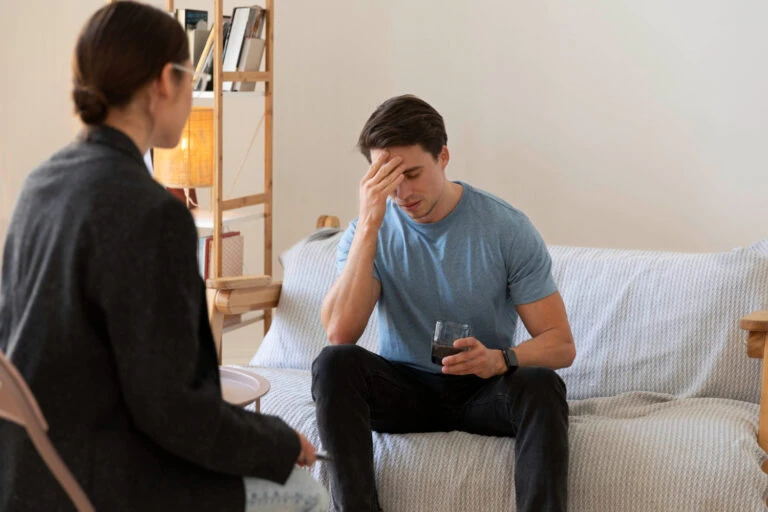


I didn’t plan to come back.
After 90 days sober, I thought I had crossed some invisible finish line. Three months felt like proof that I had finally figured it out. I had routines. I had confidence. I even started believing the voice in my head that said, Maybe I’m different now.
Then one rough week happened.
Stress stacked on stress. Sleep got worse. Old thoughts started creeping back in. One night I told myself something that sounded reasonable at the time:
Just this once.
You probably know how that story goes.
What followed wasn’t a dramatic collapse. It was quieter than that. A slow unraveling. And underneath it all was something heavier than the relapse itself:
Shame.
For a while, I couldn’t imagine going back for help. But eventually, I found my way back to drug addiction treatment. Not because I felt proud of myself. Because I realized something important:
Recovery doesn’t end because you stumble. Sometimes the bravest step is walking back through the door.
The Moment You Realize You Slipped
Relapse rarely arrives with warning signs that feel obvious in the moment.
At first it can feel small. Harmless, even.
Maybe it starts with an old thought you haven’t heard in months:
I’ve been doing so well… maybe I can handle it now.
Or maybe it’s emotional exhaustion. A bad day that turns into a bad week. Something painful happens and suddenly the coping tools you learned feel distant.
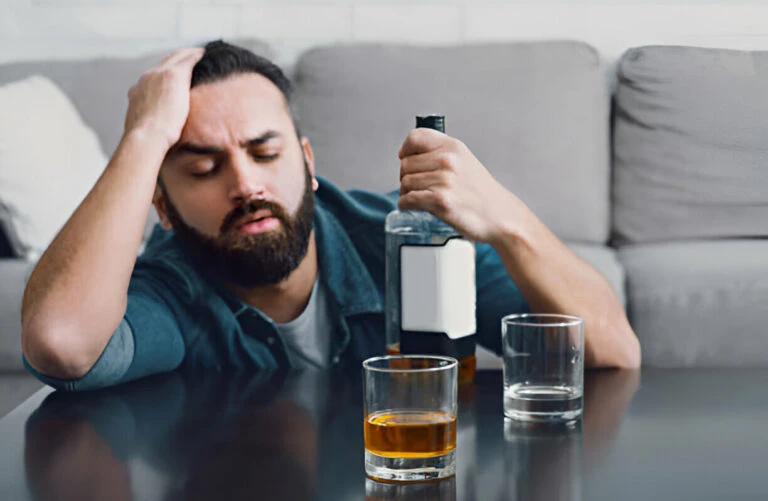
For me, the moment of realization came the morning after.
I woke up and felt that familiar sinking feeling in my stomach. The one that says something isn’t right.
My mind started racing:
You ruined everything.
All that time sober—gone.
Everyone is going to think you failed.
The strange thing is, relapse itself is often temporary. But the shame it creates can last much longer if you let it isolate you.
Why Shame Makes People Stay Away
Shame is one of addiction’s most powerful weapons.
It doesn’t just make you feel bad. It convinces you to disappear.
You start imagining how others will react before you even speak to them.
They’ll think I didn’t take recovery seriously.
They’ll say I wasted my chance.
They’ll be disappointed in me.
So instead of reaching out, people retreat.
They isolate. They hide. They try to quietly “fix it” alone.
But addiction thrives in isolation. The more alone someone feels, the easier it is for old habits to regain control.
The truth most alumni eventually learn is this:
Relapse happens more often than people talk about. Not because recovery is impossible—but because healing is complicated.
Many people need multiple attempts before things truly stabilize. What matters most is the decision to come back.
The Lie I Told Myself: “I Should Be Able to Handle This Alone”
After the relapse, I tried to fix everything quietly.
I told myself I didn’t need help again. I had already been through treatment once. I knew the tools. I understood the patterns.
All I needed was discipline.
So I tried to rebuild things on my own.
I promised myself I would stop immediately. I avoided certain places. I tried to stay busy.
But addiction has a way of slipping through the cracks of self-control.
It shows up during stress. Loneliness. Exhaustion. Moments when your brain wants relief more than logic.
Within weeks I realized something I didn’t want to admit:
Trying to handle it alone was making things worse.
Recovery isn’t just about stopping a substance. It’s about rebuilding the systems that keep you stable.
Connection. Accountability. Support.
Without those, even strong people can struggle.

Walking Back Through the Door
The hardest step wasn’t getting sober again.
It was coming back.
I remember sitting in my car outside the building, staring at the entrance. I almost drove away twice.
My mind ran through every possible scenario:
They’re going to judge me.
They’ll think I didn’t try hard enough.
They’ll say I should have known better.
But none of that happened.
Instead, someone greeted me with something simple and unexpected:
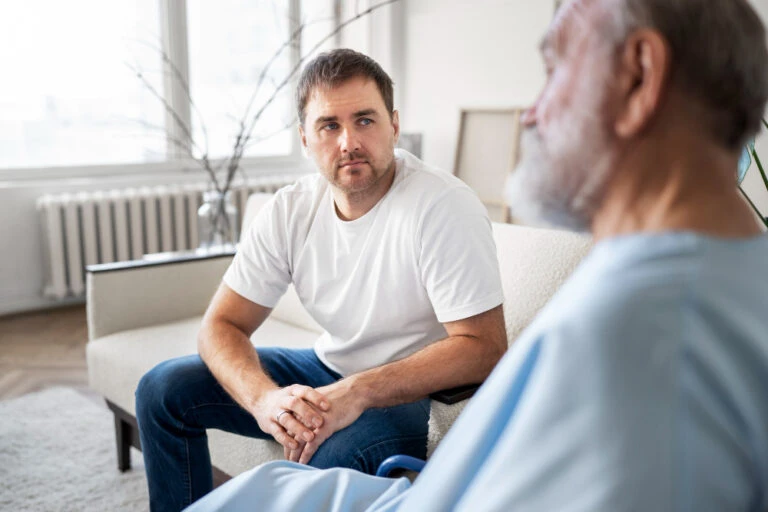
“I’m really glad you came back.”
That moment changed how I understood recovery.
Because the people who work in recovery know something most outsiders don’t:
Relapse doesn’t mean someone failed.
It means they’re still in the fight.
What I Learned the Second Time Around
The first round of recovery helped me get sober.
The second round helped me understand how to stay connected.
I realized recovery isn’t a single event. It’s an ongoing process that requires support, honesty, and humility.
Some people return for additional support through structured daytime care or multi-day weekly treatment programs. Others reconnect with counseling or peer groups to rebuild the foundation that helped them before.
And sometimes, the most important step is simply saying:
“I need help again.”
If you’re rebuilding after a setback, finding care in Grove City or exploring treatment options in Dayton can provide the structure and encouragement needed to regain stability.
Recovery doesn’t require perfection.
It requires persistence.
The Truth About Relapse Most People Don’t Talk About
One of the hardest parts of relapse is the feeling that you’ve erased your progress.
But that isn’t how healing works.
Every day sober still counts.
Every skill you learned still exists. Every moment of clarity, every meeting attended, every honest conversation still matters.
Those experiences become part of the foundation you stand on when you try again.
In fact, many people find that their second attempt at recovery feels deeper and more honest than the first.
Why?
Because this time, they understand the stakes.
They know how quickly things can unravel. And they also know they’ve already proven they can make change.
Relapse can be painful. But it can also become a turning point if it leads someone back to the support they need.
If You’re Reading This After a Relapse
You might feel embarrassed. Discouraged. Maybe even hopeless.
That’s normal.
But here’s something important to remember:
Relapse doesn’t erase your recovery story.
It becomes part of it.
Those 90 days mattered. The effort you put in mattered. The progress you made is still real.
And the courage it takes to start again is something many people never find.
If you’re struggling right now, you don’t have to stay stuck in shame.
Recovery spaces exist because people deserve second chances. And third ones. And sometimes more than that.
The important thing is returning before things spiral further.
Frequently Asked Questions About Relapse and Returning to Treatment
Is relapse common after 90 days of sobriety?
Yes. Many people experience setbacks during the first year of recovery. Early sobriety involves major lifestyle and emotional adjustments, which can make this period vulnerable. Experiencing relapse doesn’t mean recovery is impossible—it means additional support may be needed.
Does relapse mean treatment didn’t work?
Not at all. Treatment often provides tools and insights that remain valuable even after a setback. Many individuals return to treatment with a deeper understanding of their triggers and are able to build stronger recovery foundations the second time.
Should I return to treatment if I’ve already been once?
Returning to treatment can be extremely helpful. Many people benefit from revisiting structured support, reconnecting with counselors, and strengthening coping strategies that may have weakened over time.
How do I deal with the shame after relapse?
Shame is one of the biggest barriers to recovery. Talking openly with supportive people—whether counselors, peers, or trusted loved ones—can help reduce that burden. Recovery communities understand relapse and focus on moving forward rather than judging the past.
What should I do immediately after a relapse?
The most important step is reaching out for support. This could mean contacting a counselor, attending a recovery meeting, or speaking with a treatment center. Early action can prevent a temporary setback from becoming a long-term struggle.
You Don’t Have to Start Over Alone
Recovery rarely follows a straight line.
If you’ve relapsed after months of sobriety, it can feel like everything collapsed overnight. But one difficult chapter doesn’t erase the progress you’ve made or the strength it took to begin recovery in the first place.
What matters most is the decision to step forward again.
Call (888)643-7567 or visit our Drug Addiction Treatment services to learn more about our Drug Addiction Treatment services in Columbus, Ohio.