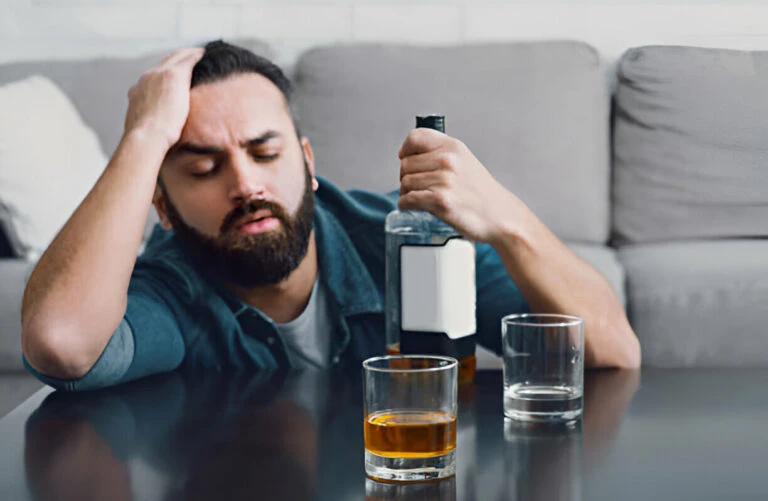


Alcohol addiction often starts quietly. A drink to relax after work, social drinking at gatherings, or a way to cope with stress — over time, these habits can escalate into dependency. Before you know it, you’re not controlling alcohol; alcohol is controlling you.
If you’re questioning whether it’s time for alcohol addiction treatment in Ohio, you’re already on the right track. Awareness is the beginning of recovery. At Freedom Recovery, a trusted addiction treatment center in Ohio, we’re here to guide you through recognizing the signs, understanding your treatment options, and taking that vital first step toward freedom.
Understanding Alcohol Addiction: More Than Just “Heavy Drinking”
Many people minimize their alcohol use, believing they don’t “drink enough” to need help. But addiction isn’t just about how much you drink — it’s about how drinking affects your life.
Alcohol Use Disorder (AUD) is a chronic disease characterized by:
- Cravings for alcohol
- Loss of control over drinking
- Withdrawal symptoms when not drinking
- Continued use despite negative consequences
In 2023, more than 29.5 million Americans struggled with AUD — yet fewer than 10% received treatment. (Source: SAMHSA, 2023)
Understanding the scope of this issue is key. Alcohol rehab in Ohio can help you break this cycle, no matter how long you’ve been struggling.
Warning Signs You May Need Alcohol Rehab
1. Increased Tolerance
Are you drinking more than you used to, just to feel the same effects? Tolerance is your body’s way of adapting to alcohol, and it’s a clear red flag.
2. Withdrawal Symptoms
If you feel shaky, anxious, nauseated, or sweat excessively when not drinking, your body is dependent. Severe withdrawal can include seizures or delirium tremens, which require immediate medical attention.
3. Loss of Control
Maybe you tell yourself you’ll “just have one drink,” but end up binge drinking. If you find it difficult to control how much you consume once you start, this is a strong indicator of alcohol use disorder.
4. Neglecting Responsibilities
Missing work, skipping important commitments, or failing to care for your family due to drinking is a clear sign that alcohol has taken priority over your life.
5. Strained Relationships
When alcohol starts causing arguments, eroding trust, or distancing you from loved ones, it’s time to seek help.
6. Drinking to Cope with Emotions
Using alcohol to numb feelings of stress, anxiety, sadness, or loneliness is common — but dangerous. Over time, alcohol worsens these emotions, creating a vicious cycle.
7. Mental Health Struggles
Depression, anxiety, and alcohol abuse often go hand-in-hand. If you’re noticing worsening mental health alongside drinking, specialized dual diagnosis treatment is essential.
8. Legal or Financial Problems
DUIs, job loss, or financial strain are serious consequences of alcohol misuse. These external signs often point to internal struggles.
The Hidden Dangers of Waiting
Many people delay treatment, hoping things will improve on their own. Unfortunately, alcohol dependency rarely gets better without professional support.
The risks of waiting include:
- Worsening health conditions (liver disease, cardiovascular issues)
- Escalation of mental health crises
- Increased risk of fatal alcohol poisoning or accidents
- Relationship breakdowns
- Legal consequences (such as DUI)
At Freedom Recovery, we provide immediate assessments to help you safely start the healing process — before it’s too late.

Your Alcohol Rehab Options at Freedom Recovery
We offer a full spectrum of alcohol addiction treatment in Ohio tailored to your individual needs.
1. Medical Detox
Safely manage withdrawal under medical supervision.
- 24/7 care
- Medication-assisted treatment
- Stabilization for physical and emotional well-being
2. Inpatient Rehab
A fully immersive healing environment at our drug rehab center in Ohio.
- Daily therapy and counseling
- Medical and psychiatric support
- Holistic therapies and relapse prevention
3. Intensive Outpatient Program (IOP)
For those who need structured support but wish to live at home.
- 3–5 therapy sessions weekly
- Group and individual counseling
- Flexibility for work and family life
4. Outpatient Rehab Ohio
Our outpatient treatment Ohio options let you balance life responsibilities with recovery.
- 1–3 sessions weekly
- Ideal for those with supportive home environments
- Continued focus on therapy and skill-building
5. Dual Diagnosis Treatment
Many clients struggle with both addiction and mental health challenges. We address both, ensuring holistic healing.
6. Aftercare & Alumni Programs
Recovery doesn’t end when rehab does.
- Ongoing therapy and relapse prevention
- Alumni support groups
- Lifelong connection to the Freedom Recovery community
How to Take the First Step — Breaking Through Fear
Reaching out for help can feel overwhelming. Fear of judgment, fear of the unknown, or fear of failure holds many people back.
Let us reassure you:
- Your call is confidential.
- You will not be judged.
- You are not alone.
When you call 614.754.8051, you’ll speak with a compassionate admissions counselor. We’ll listen to your story, answer your questions, and explain your options. Even if you’re not ready to commit, that conversation is a step forward.
What Happens When You Call:
- Confidential assessment
- Insurance verification and financial clarity
- Discussion of treatment options
- Immediate or planned admission — on your terms
Your path to recovery starts with one brave moment of connection.
Why Choose Freedom Recovery for Alcohol Rehab in Ohio?
At Freedom Recovery, we understand that alcohol addiction affects every part of your life — your health, relationships, career, and self-esteem. That’s why our approach is comprehensive, compassionate, and customized to you.
Our Promise to You:
- Personalized treatment plans
- Flexible outpatient and IOP programs
- Expert care for both addiction and mental health
- Family involvement to heal together
- Continued support long after rehab
- Accessible care at our trusted drug rehab center in Ohio
We’re not just a treatment center — we’re your recovery partner for life.
Conclusion
If you’re seeing the signs of alcohol addiction, the time to act is now. Every day you delay is a day alcohol keeps control of your life — but it doesn’t have to be that way.
At Freedom Recovery, we’re here to help you break free. Our compassionate team will walk with you through detox, therapy, and aftercare, helping you build a healthier, happier, and sober future. Call us today at 614.754.8051 to take your first, courageous step toward recovery. Your future is waiting. And it’s brighter than you can imagine.
FAQ on Signs and Starting Recovery
How do I know if I really need alcohol rehab?
If alcohol is affecting your health, relationships, work, or mental well-being, it’s time to consider rehab. Common signs include increased tolerance, withdrawal symptoms, loss of control, or drinking to cope with stress.
What happens during alcohol rehab in Ohio?
Rehab begins with medical detox (if needed), followed by therapy, counseling, relapse prevention, and aftercare support. Freedom Recovery provides inpatient, outpatient, and intensive outpatient options tailored to your needs.
Can I keep working while getting treatment?
Yes! Our outpatient rehab Ohio and intensive outpatient rehab Ohio programs are designed for flexibility, so you can continue working while receiving structured support.
What is dual diagnosis treatment, and do I need it?
If you’re struggling with both alcohol addiction and mental health challenges like anxiety or depression, dual diagnosis treatment addresses both at the same time for better outcomes.
Is alcohol rehab covered by insurance?
Most insurance plans cover some or all aspects of alcohol addiction treatment in Ohio. Our team will help verify your benefits and explain your options.
How long does treatment take?
The length of treatment varies depending on individual needs. Programs can last anywhere from 30 days to several months, with aftercare extending longer for continued support.