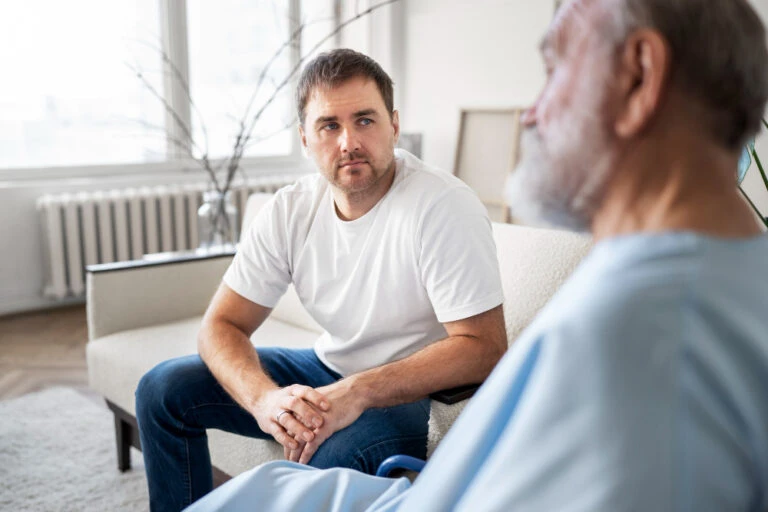


Some people walk away from treatment with a dramatic story. Others just… drift. Maybe you missed one day, then three, then stopped answering messages. Now you’re wondering if you’re still welcome—or if it’s even worth trying again.
Here’s what you need to know: it’s never too late to return.
At Freedom Recovery’s intensive outpatient program in Columbus, Ohio, we’ve seen what healing looks like after someone leaves and comes back. We’ve seen faith return. We’ve seen sobriety stabilize. And we’ve seen people come in unsure if they even belong—only to leave weeks later with more hope than they’ve had in years.
1. You’re Not the Only One Who Left
Dropping out of treatment doesn’t make you a failure. It makes you human.
Whether it was a bad day, a relapse, or just emotional burnout, plenty of people step away from IOP for a while. The reasons vary—but the shame tends to sound the same:
“I ghosted my group.”
“I don’t think they’ll want me back.”
“I blew my shot.”
You didn’t blow your shot. The door is still open—and you’re still worthy of healing.
Recovery is a long game. What matters most isn’t whether you paused—it’s whether you pick up the thread again.
2. IOP Is Made for People Who Need a Restart
An intensive outpatient program (IOP) isn’t a punishment or a lecture. It’s support—structured, real-life-friendly support.
If you’re worried about jumping back in after time away, here’s the good news: you don’t have to “start over.” You just have to start again.
Whether you left one week ago or one year ago, IOP gives you a soft place to land. Most programs run several days per week, a few hours at a time. It’s flexible enough to fit into your life, but consistent enough to anchor your recovery.
If you’re near central Ohio, we offer care in Columbus, Dayton, and Galion. Each location is staffed by people who understand that detours happen—and that coming back matters more than why you left.
3. Faith Doesn’t Have to Be Perfect to Be Powerful
Sometimes, losing your routine means losing your sense of connection—especially to whatever you believe in.
You don’t have to walk back into IOP with your spiritual life figured out. You don’t even have to believe anything right now. What matters is your desire to reconnect—with your purpose, your higher power, or just some sense of peace.
In IOP, you can process doubts out loud. You can ask hard questions. You can explore what faith looks like for you—without judgment or pressure.
Faith doesn’t need to be loud or performative. Sometimes the quietest prayers—“Help me,” “I’m here,” “I’m willing”—are the ones that shift everything.
4. Rebuilding Trust With Yourself Starts With Showing Up
After leaving treatment, it’s easy to fall into the loop of: “I can’t trust myself anymore.” But every time you show up, even imperfectly, you’re proving otherwise.
That might look like:
- Attending just one group this week
- Being honest about where you’re at
- Asking for a check-in instead of isolating
- Writing down your next goal—just one
Healing your relationship with yourself isn’t about huge declarations. It’s about small, repeatable choices that start to add up.
You don’t have to believe in yourself yet. Just keep doing the kind of things someone who believes in themselves would do.

5. Peer Support Can Restore What Shame Took
There’s something powerful about sitting in a room and hearing someone say, “Yeah, I left for a while too.” Suddenly, you’re not alone in your spiral. You’re just a person in a room full of other people trying again.
Group work in IOP isn’t about rehashing your worst days. It’s about sharing truth, learning new tools, and seeing yourself through others’ eyes—especially when yours are clouded with self-doubt.
“I thought they’d be mad. But everyone just said, ‘We’re glad you’re here.’ That was the moment I knew I could keep going.”
— IOP Client, 2023
6. There’s No Wrong Way to Come Back
Maybe you text your counselor. Maybe you just walk in the door. Maybe you send an email or make the call.
However you come back, it counts.
You don’t need to explain everything. You don’t need a polished story. Just start with where you are. That’s the bravest thing you can do.
7. You Can Still Build Something Beautiful From Here
Yes, you left. Yes, you doubted. But none of that disqualifies you from building a meaningful, sober, faith-rooted life.
IOP isn’t just about stopping substances. It’s about starting again—this time with structure, support, and self-compassion.
Whatever brought you back to this page, this moment… trust that it’s a good enough reason.
FAQ: Returning to IOP and Rebuilding Faith
Can I come back if I dropped out of IOP weeks (or months) ago?
Yes. Many programs, including Freedom Recovery, welcome returning clients without judgment. Just call or visit your local center to discuss next steps.
Will I have to start the whole program over?
Not necessarily. Depending on how long you’ve been away and your clinical needs, the team will work with you to either pick up where you left off or adjust your care plan.
What if I relapsed while I was gone?
You’re still welcome. Relapse happens. What matters is your willingness to try again. IOP is designed to support you through re-entry, even if you’re in a hard spot.
Is spirituality required in your program?
No. We support all belief systems—and doubts. If faith is important to you, we’ll help you nurture it. If you’re unsure, we’ll meet you with curiosity and respect.
What if I feel too ashamed to come back?
That’s normal—and it’s also a sign that you care. You’re not the only one who’s ghosted, paused, or dropped out. You can return. You do still belong.
📞 Ready to return or take that first step?
Call (888) 643-7567 or visit our intensive outpatient program page to learn more about services near Columbus, Ohio.
Whether you’re coming back after a break or starting fresh, we’ll meet you right where you are—with open arms and no judgment.