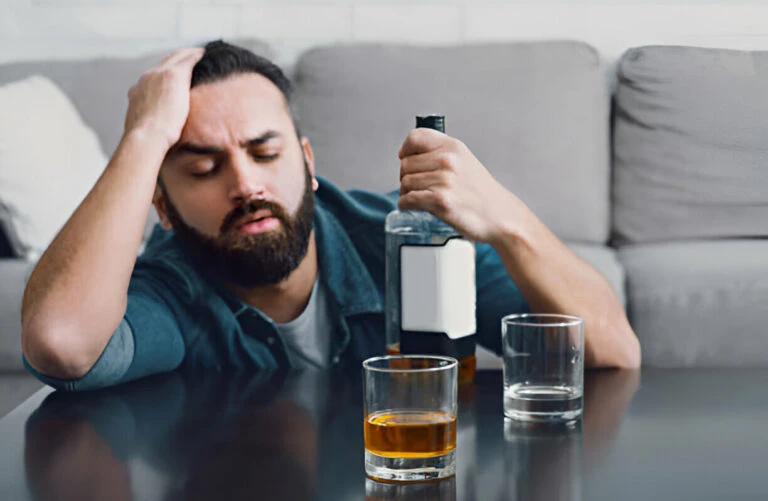


You left. You ghosted. Maybe you thought you’d be fine on your own. Maybe you told yourself you didn’t need it anymore. Or maybe it just got hard, and you walked away. It happens more than people admit. And if you’re reading this now, feeling guilty about disappearing, wondering if it’s too late—breathe. At Freedom Recovery, we see people come back after dropping out, after ghosting, after relapsing. You are not an exception. You’re just someone who got knocked down and is considering standing back up.
Here’s the truth: if God forgives you (and we believe He does), maybe it’s time you forgive yourself. This isn’t about punishment. It’s about restarting your recovery, with honesty and hope—not shame.
Step 1: Stop Keeping Score—Recovery Isn’t a Competition
Relapse makes you feel like you’ve erased everything. That every sober day before doesn’t count. But sobriety isn’t a scoreboard. Those days mattered. They built muscles in you that don’t disappear after one mistake. Every meeting you went to, every time you said no to a drink—those are still yours.
Coming back after a dropout isn’t about starting from scratch. It’s about picking up the tools you’ve already gathered and putting them back to work. You don’t need to be perfect. You just need to be willing.
Step 2: Call Before You Think Yourself Out of It
Shame will tell you to wait. To “get your life together” before reaching out. To detox first, or to make some progress on your own before asking for help. That voice is lying.
The truth is, the longer you wait, the harder it gets. Freedom Recovery’s alcohol addiction treatment in Columbus is built for people like you—people who ghosted, people who relapsed, people who stopped showing up. You don’t need to fix yourself before you call. Call, and let us help you figure out your next step. That’s what we’re here for.
Step 3: Be Honest About Why You Left
It’s uncomfortable, but honesty is freedom. Did you feel overwhelmed? Did treatment feel boring? Did you think you were fine and didn’t need it? Were you angry, sad, restless? Whatever it was—say it out loud. To yourself. To someone else. To your intake counselor when you call back.
At Freedom Recovery, we don’t shame you for leaving. We help you understand it, so you don’t get trapped in the same cycle again. Sometimes what broke your recovery before wasn’t “willpower”—it was an unmet need that got ignored. This time, we work with you to name it, address it, and move past it.

Step 4: Choose the Right Alcohol Addiction Treatment for You—This Time
Not every treatment experience fits every person. Maybe what you tried before didn’t click. Maybe the schedule was too much. Maybe you felt boxed in.
When you come back, your needs might be different. You might need something more flexible like outpatient, or more structured like partial hospitalization. Our Columbus alcohol addiction treatment adapts to your situation—not just your relapse. Together, we figure out what works for your life now, not what worked for you six months ago.
Step 5: Focus on Rebuilding Trust with Yourself First
It’s easy to get stuck worrying about who you let down. Your family, your friends, your job. But here’s the truth: the first person you need to rebuild trust with is yourself.
Every time you show up for yourself—even if it’s just one sober morning—you rebuild your own confidence. Those little wins start stacking up. You get to feel proud of yourself again, and when that happens, everything else starts to fall into place. You’re not a disappointment. You’re someone who’s fighting, and that matters.
Step 6: Don’t Let Faith Become Another Source of Guilt
We see it all the time. People come back after a relapse feeling like they failed not just themselves but their faith. Maybe you prayed for strength and relapsed anyway. Maybe you promised God you wouldn’t drink and then did.
But here’s what faith teaches: forgiveness is unconditional. You don’t need to “earn” your way back to God. And you don’t need to earn your way back into recovery. If faith is part of your life, let it fuel your return, not weigh it down with guilt. You’re not cast out. You’re being called back in.
Step 7: Build a New Circle That Doesn’t Shame You
The wrong voices will tell you, “You always do this,” or “You’ll never change.” Those voices are poison.
You need people who remind you of your strength, not your mistakes. At Freedom Recovery, you’ll find alumni groups, peer support, counselors, and sober friends who understand relapse happens—but so does recovery. You don’t need cheerleaders who fake it; you need people who’ve been where you are and who know the road back. We help you build that community.
Step 8: Move Quickly, Think Slowly
When you feel the pull to get sober again, act fast. Call. Reach out. Schedule an appointment. But when you get back into recovery, slow down. Don’t rush to “make up” for lost time. Don’t punish yourself with unrealistic goals. Sobriety isn’t a sprint; it’s about steadiness.
We’ll help you find that rhythm, one sober choice at a time.
FAQs About Relapse and Getting Back to Treatment
Is it normal to relapse after leaving treatment?
Yes. Many people relapse after dropping out of treatment, especially without support structures in place. What matters most is how quickly you return to care.
Will Freedom Recovery accept me back after I left early?
Absolutely. We have an open-door policy. It doesn’t matter how many times you left—we’re here when you’re ready to come back.
Does my insurance cover treatment if I’ve relapsed before?
Most likely, yes. Alcohol addiction is a chronic condition, and insurance typically covers multiple treatment episodes. Our team can verify your coverage confidentially.
Can I choose a different treatment plan when I return?
Yes. We don’t force people into one-size-fits-all programs. We’ll work with you to create a treatment plan that reflects your current needs and goals.
How do I deal with the guilt of leaving treatment and relapsing?
First, recognize guilt is common but not helpful when it becomes a barrier. We help you address guilt without letting it control you. Sobriety thrives on hope, not punishment.
Your relapse didn’t disqualify you. Your dropout didn’t close the door. You are not a lost cause—you are unfinished business, and you’re allowed to start again. Call (888)643-7567 or visit Freedom Recovery’s alcohol addiction treatment in Columbus. Come back. We’re ready for you.