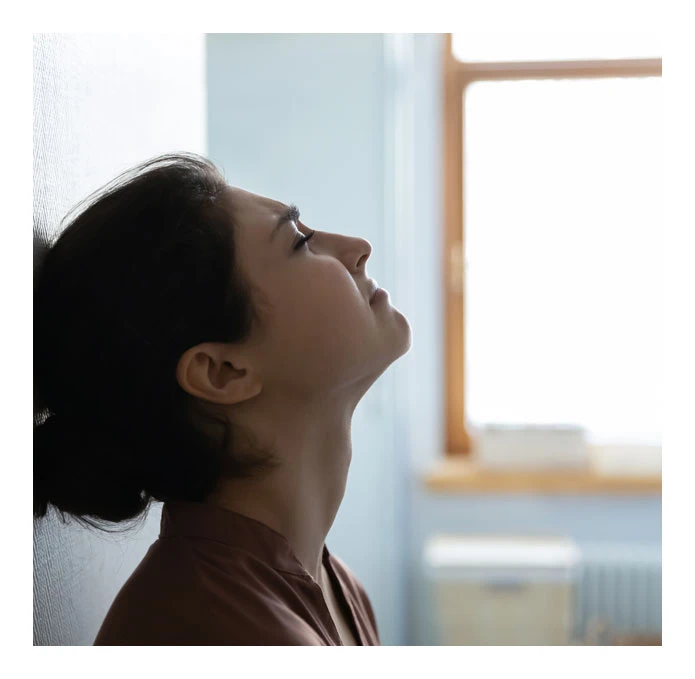


I had a job, a house, a family that believed I had it together. I wasn’t the classic mess—just a guy who kept the ‘mess’ in his inside. The drinks after work were invisible. The late‑night pills were out of sight. The “fine” smile in meetings was my armor.
Then one day, the armor cracked.
I walked into an intensive outpatient program (IOP) at Freedom Recovery in Columbus, Ohio because I realized the insomnia, the anxiety, the creeping shame weren’t “just stress.” They were signals. And I was done ignoring them.
What surprised me most? In IOP I didn’t have to be perfect. The demand for performance went away. And healing began.
The Mask Was Working—Until It Wasn’t
High‑functioning. That’s what they called me. Looking good on paper. Smiling on camera. Always the one bringing solutions. But behind all that: the drink I needed to unwind. The anxiety I tucked under achievement. The exhaustion I disguised with productivity.
You meet the quota. You close the deal. You show up on time. Yet inside you carry a different story.
In the IOP, the first truth I heard was: you’re not the only one. Others laughed, cried, admitted they used because it felt like the only way to “sleep the noise.” That cracked something in me. I didn’t need to pretend anymore.
Why the Intensive Outpatient Program Was Different
When you hear “intensive outpatient program,” you might think: residential, locked down, dramatic. But at Freedom Recovery it was something else. It meant I could still work. I could keep my apartment. I could live my life—and also come to treatment that acknowledged everything I’d been doing to pretend.
It wasn’t a punishment. It was a lifeline.
Because I could keep my commitments—but I also started a new one: to myself. Sessions three times a week. Groups where people spoke truth. Therapists who asked not just “What are you using?” but “What are you hiding?” That line hit me harder than I expected.
You Didn’t Have to Quit Being Responsible to Get Help
I worried: If I go to IOP, will I appear weak? Will I risk losing my job? Will they think I’m “really bad”? The answer: no. I got care and still showed up at work. I got support and still parented my kids. I got honest and still built a life that mattered.
Freedom Recovery’s program had evening groups. They had flexible check‑ins. They respected my role but also asked: “How’s your role treating you?” When the treatment met me where I was, I stayed longer than I ever did before.

The Safe Place to Stop Being Perfect
In IOP, the goal wasn’t to be perfect—just to be visible. To show up. To say: I used. I lied. I drained. I covered up. And things started changing.
I learned that the story behind the drink mattered. The story behind the pill mattered. And that in healing those stories matter more than the count of days sober.
I started saying things I hadn’t admitted: “I used because I was afraid of being quiet.” “I needed to perform so everyone would think I was worth something.” When I said that out loud, something loosened. I found company in the people who confessed similar things.
The Tools I Learned Outside the Office
Because perfect ain’t sustainable.
In IOP I learned boundaries: When to say no. When “yes” wasn’t helpful. I learned emotion literacy: How to name the ache instead of numbing it. I learned to schedule the real work of healing alongside my Monday reports.
I also learned relapse prevention: Not the “never fail” myth—but the “what happens if I slip?” plan. I didn’t used to have that. I thought if I slipped, everything was over. Now I knew: slip doesn’t mean erase. It means adjust.
What Lash‑Back Looks Like Outside Treatment
Treatment ends when you walk out the door, but life doesn’t pause. You walk back into your world—the emails, the lunch meetings, the exhaustion.
This time I had a new metaphor: My recovery wasn’t a reboot—it was a new operating system. I didn’t wait for “perfect” to show up. I showed up. With mess. With quiet. With real. I took the tools from IOP and wrote them into my Monday.
If You’re Realizing You’re Doing “Fine” & It’s Not Fine
Maybe you’re here reading this because you do a good job. You’ve got respect, a track record, maybe even praise. But inside you feel crowded. The drink doesn’t relax you anymore. The pills just blur things. The coffee only makes the motor louder.
If you hear “intensive outpatient program” and think: “That’s not for me—I’m fine,” good. Come anyway. Because this might be the place you finally stop pretending.
At Freedom Recovery, whether you’re in Columbus or nearby Dayton, Ohio, IOP doesn’t ask you to check your life at the door. It asks you to bring it—bruised, brilliant, real.
Frequently Asked Questions
Q: I’m still working full‑time. Can I do IOP?
A: Yes. That’s the beauty of an intensive outpatient program. You don’t have to quit your life to fix it. You just need to show up with intention.
Q: Will they expect me to be perfect?
A: Far from it. The expectation is show‑up, honesty, willingness to try. Perfection wasn’t built to heal addiction—it’s built to hide it.
Q: What if I relapse during IOP?
A: Then you talk about it. You don’t hide it. You don’t leave in shame. A good program treats relapse as a signal—not a failure. And you learn the “what now” before you’re in the breakdown.
Q: I always thought IOP was for “real addicts.” Am I real enough?
A: Probably. Because “high‑functioning” is still using to escape. You’re not less deserving of help just because you have things together. You’re still someone whose relief was built on illusion.
Q: Where do I start?
A: Call Freedom Recovery at (888) 643‑7567 or visit the intensive outpatient program page to learn how to begin. You don’t have to start “broken.” You just have to start willing.
If you’ve read this far: good. Because you’re noticing. That’s the shift. You don’t need to be perfect to try again. You just need to be honest.
You weren’t built for endless pretending. You were built for the truth—your truth. IOP showed me that.
Your turn now.
Ready to Drop the Mask and Find What’s Real?
Call (888) 643‑7567 or visit our IOP page to learn how Freedom Recovery supports people who are high‑functioning in the world—but done pretending in private.