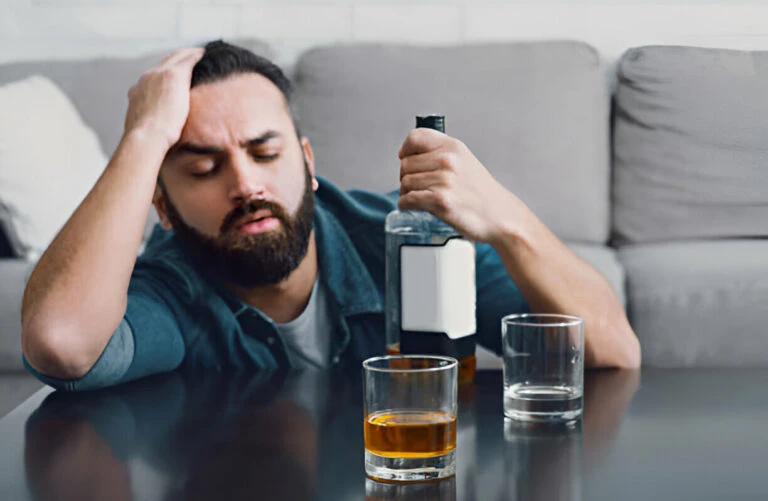


There was a version of me who thought addiction only looked a certain way. Messy, unemployed, isolated. But I had a house, a job, a calendar full of meetings and Bible studies. I didn’t “look” like someone who needed help.
I told myself, “This is just stress.” “God can handle this—I’ll pray it away.” “I’m managing.”
But behind my smiling Sunday face was a deep pit. I wasn’t living—I was surviving. I wasn’t growing in faith—I was hiding behind performance. My prayers felt shallow because I knew I was lying to myself and to God.
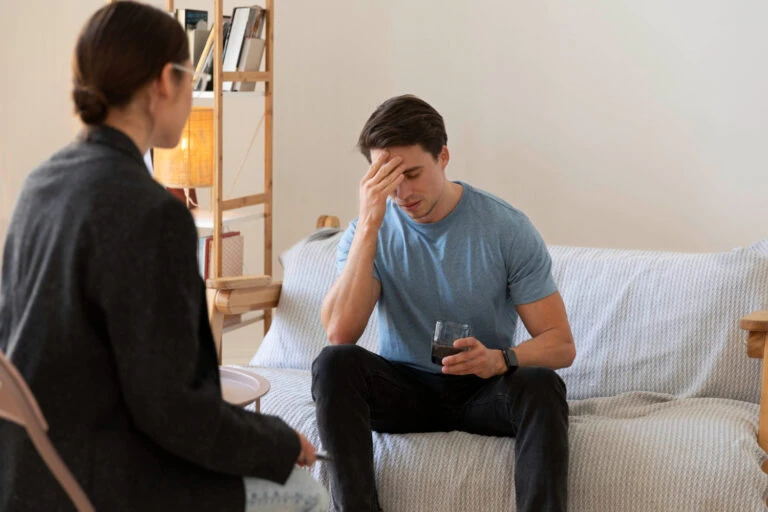
Everything changed when I walked into an Intensive Outpatient Program IOP in Columbus. Not because I had hit rock bottom, but because I finally wanted something better than functioning—I wanted freedom. And through IOP, I didn’t just get sober; I got restored.
You Discover You’re Loved by God, Not Measured by Productivity
One of the first things I had to confront in IOP was how much of my worth was tangled in productivity. I thought my value was in what I did—how many things I juggled, how much I accomplished.
IOP helped me see myself through God’s eyes: valuable, cherished, enough—before the doing, before the pleasing, even before sobriety. This isn’t about becoming “less ambitious”—it’s about remembering that your worth doesn’t come from busyness, but from being His child.
You Realize Isolation Was Starving You of Grace
Addiction doesn’t start with the bottle; it starts in isolation. I was surrounded by people yet felt alone in my struggles. Shame told me I had to hide. IOP was the first space where I said it all out loud—and the walls didn’t collapse. The people around me didn’t run—they leaned in.
Jesus didn’t turn away when I got honest; He met me there. IOP was the physical, tangible experience of grace in community: real people, real stories, real healing.
You Learn Practical Tools, Not Just Religious Willpower
I had memorized Scripture. I prayed harder, promised more, but still fell into old patterns. IOP showed me that prayer and practical tools can coexist. God isn’t disappointed when you use coping skills—He gave us wisdom to access them.
In IOP, I learned to name my triggers, practice grounding techniques, and build real-world strategies to navigate cravings without guilt. Faith wasn’t sidelined—it was strengthened, now paired with actual tools to stay on track.
You Finally Understand Grace Doesn’t Have a Scorecard
Before IOP, I thought God was tallying every slip-up. Sobriety was about earning approval. IOP flipped that lie on its head. Grace doesn’t work on a scoreboard—it works on surrender.
In IOP, I learned that each day sober is a day to celebrate, but each stumble isn’t the end. I finally understood Lamentations 3:23: His mercies are new every morning. I didn’t have to make up for yesterday; I just had to show up today.

You Build Boundaries That Aren’t Selfish—They’re Sacred
I was a chronic over-committer, saying yes to everyone and everything. IOP helped me see that healthy boundaries are holy. Protecting your sobriety is protecting your testimony. Jesus Himself stepped away from crowds to rest, to pray, to reset—and so can you.
Learning to say, “Not this time,” or “I need rest,” was a spiritual discipline I never expected—but one that saved my life.
You Get Accountability That Feels Like Brotherhood, Not Policing
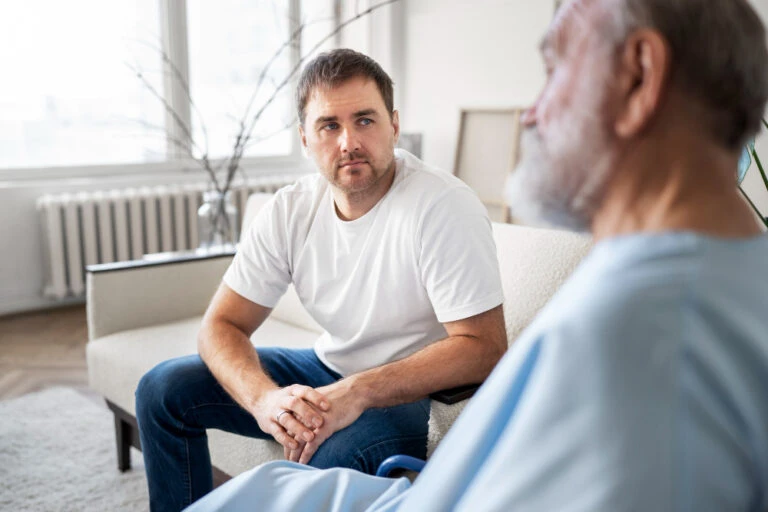
In IOP, accountability wasn’t punishment—it was protection. It felt like real community: people calling you out because they care, checking in because they see your worth.
For the first time, I wasn’t carrying the weight alone. When I couldn’t pray, others prayed for me. When I wanted to quit, others stood beside me. That’s what the Bible means when it says, “Carry each other’s burdens.”
You Meet the Healthiest, Most Honest Version of Yourself
Before sobriety, I thought the version of me without substances would be boring, dull, incomplete. But in IOP, I met the real me—the version who could laugh without alcohol, feel deeply without fear, and show up without shame.
And faith? It wasn’t dulled; it was deepened. For the first time in years, I could hear God clearly because the noise was gone.
FAQs About Intensive Outpatient Program IOP
Is IOP faith-based or clinical?
At Freedom Recovery, IOP blends clinical best practices with optional faith-based support. We honor your journey—whether you want spiritual guidance, clinical tools, or both.
Can I keep my job while doing IOP?
Yes. Our IOP is built for people with jobs, families, and life commitments. Sessions are flexible so you can maintain your routine while focusing on recovery.
What’s different about IOP compared to inpatient rehab?
IOP allows you to live at home, work, and stay connected while receiving structured support. You get therapy, accountability, and skill-building without stepping away from life.
What if I relapse during IOP?
Relapse isn’t failure—it’s information. We don’t kick people out; we adjust your care plan to strengthen your recovery without judgment.
Is faith really part of the process, or just mentioned?
Faith is fully welcomed at Freedom Recovery. If you want to integrate Scripture, prayer, and spiritual counsel, we support you. If you don’t, we still meet you with respect and care.
How long does IOP last?
Typical IOP runs 8–12 weeks, but programs are personalized. Some stay longer, some transition to less intensive care earlier. We pace your care to your progress.
I came to IOP afraid of losing everything. What I really lost was the chains. I lost the pressure to perform, the loneliness of hiding, the shame of failure—and I gained life, faith, clarity, and joy.
If you’re the high-functioning person who’s dying inside but too scared to blow up your life, hear this: you don’t have to lose everything to get better. You just have to say yes to help—and yes to hope.
Looking for Intensive Outpatient Program IOP in Columbus, Ohio? Or near Dayton? Freedom Recovery is ready to walk this journey with you.
Call (888)643-7567 or visit our Intensive Outpatient Program IOP and take your first step toward recovery, freedom, and renewed faith.