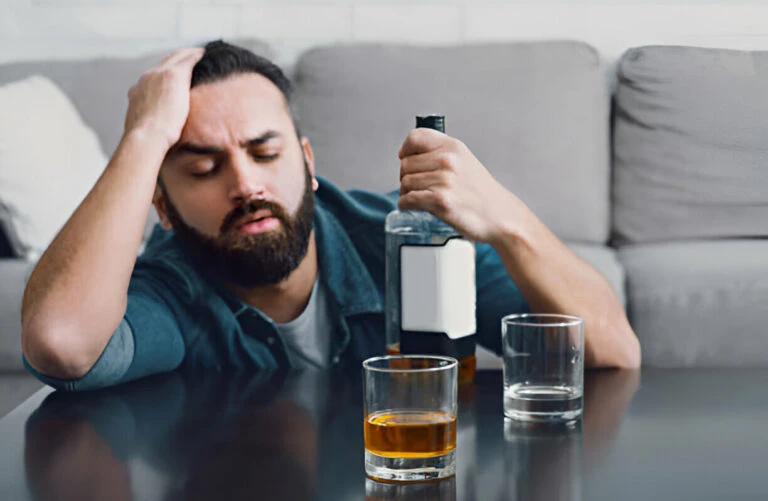


Some thoughts don’t leave you alone, especially after a relapse. One of the most painful is, “Does God think I let Him down?” Maybe for you, it’s not necessarily about religion—maybe it’s more about feeling like you’ve failed your family, your higher power, or your own standards. Either way, the weight is the same. At Freedom Recovery, we hear this question from alumni who thought they had left alcohol behind—who hit 90 days, six months, a year, and then found themselves right back in the middle of the fight. If you’re feeling that shame now, we want you to hear something clearly: you are not a failure, you are not forgotten, and this is not the end of your story.
Relapse Doesn’t Erase Your Progress—It Teaches You
Relapse can make you feel like you’ve lost everything. Like all those sober days didn’t count. But they did. Every sober morning taught you something. Every difficult day you stayed alcohol-free built muscles you didn’t have before. Even now, those lessons are alive inside you. Relapse doesn’t reset your life to zero—it shows you where more healing is needed.
At Freedom Recovery in Columbus, Ohio, our alcohol addiction treatment isn’t just for first-timers. It’s for anyone ready to pick themselves up again. Every time you come back, you come back wiser. You come back knowing more about what tripped you up and how to guard against it. That’s not failure. That’s growth.
Silence Makes Shame Louder—Connection Makes It Smaller
The most dangerous thing about relapse is the silence that follows. Shame convinces you to hide, to stay quiet, to believe you’ve ruined your chances. The truth? The longer you stay silent, the louder the shame gets.
One of the most healing things you can do after relapse is to tell someone. It doesn’t have to be everyone—just someone. A sponsor. A friend in recovery. A counselor. Someone who understands relapse isn’t about weakness, it’s about humanity.
At Freedom Recovery, we’ve built a culture where alumni can come back after a relapse without fearing judgment. You’ll be met with a listening ear, practical support, and most importantly, respect. You’re not back at the bottom. You’re on your way back up.
Your Faith Journey Doesn’t End With Relapse
In a city like Columbus, where faith and community go hand in hand, it’s easy to believe relapse equals spiritual failure. Many people come to us saying, “I thought I was healed. I thought God was helping me. I must have disappointed Him.”
But let’s remember what most spiritual traditions actually teach. They don’t celebrate those who never fall. They celebrate those who rise after falling. They celebrate humility, honesty, and the willingness to begin again.
We see this in recovery every day. Relapse doesn’t close the door to faith—it opens it wider. It reminds you that grace isn’t earned by perfection. It’s given freely when you’re willing to stand back up.
Relapse Isn’t Just Emotional—It’s Biological
Understanding relapse means understanding how alcohol affects the brain. Sobriety rewires neural pathways, but those old pathways don’t vanish overnight. Under stress, in certain environments, or after exposure to old triggers, the brain can revert to default settings.
This isn’t a personal defect. It’s part of the disease of addiction. That’s why at Freedom Recovery, our alcohol addiction treatment in Columbus focuses on more than willpower. We help you understand the brain science behind relapse, so you can work with your biology, not against it.
When you understand why relapse happened, you can start to develop strategies to protect yourself—skills to interrupt cravings, ways to ground yourself in difficult moments, and support systems that keep you anchored.

Treatment After Relapse: A Deeper, More Personalized Approach
Coming back to treatment after relapse isn’t about repeating the same steps. It’s about going deeper. At Freedom Recovery, we tailor our programs to address what you’ve learned since your last treatment experience.
Maybe you’ve realized stress is a bigger trigger than you thought. Maybe you noticed social isolation made things worse. Maybe you discovered unresolved grief was weighing on you more than you admitted. We use these insights to design a care plan that reflects your current reality—not just your history.
Treatment after relapse is not a punishment. It’s an opportunity to rebuild with stronger tools, clearer insight, and more realistic coping strategies. And this time, you don’t have to do it alone.
You Are Not a Lost Cause—You’re Someone Who Refuses to Quit
You might feel like you’ve disappointed everyone, including yourself. You might be thinking, “Maybe I’m just not meant for sobriety.” But here’s something we see every day at Freedom Recovery: the people who return after relapse are the people who refuse to quit.
Your ability to admit relapse, to seek help again, to make a call when you feel ashamed—that’s proof of your strength. Not your weakness. You are not your lowest moment. You are the sum of every time you’ve chosen to get back up.
Recovery isn’t measured by how many times you fall. It’s measured by how many times you come back to life.
FAQs About Relapse and Alcohol Addiction Treatment
Is it common to relapse after 90 days of sobriety?
Yes. The 90-day mark is a common relapse point, often because external changes have happened but deeper emotional work is still unfolding. Many people relapse around this time, but those who return to treatment often achieve more stable, long-term sobriety.
Can I come back to Freedom Recovery if I relapse?
Always. Freedom Recovery maintains an open-door policy for alumni. Whether you need inpatient support, outpatient care, or just to reconnect with sober support, you will be welcomed without judgment.
Does insurance cover treatment after relapse?
In most cases, yes. Alcohol addiction is recognized as a chronic health condition, meaning insurance plans generally cover multiple treatment episodes. Our team can verify your benefits confidentially and quickly.
What’s different about treatment after relapse?
Treatment after relapse often focuses more on relapse prevention, deeper emotional healing, and creating more sustainable recovery habits. We adjust the treatment plan based on your current needs, strengths, and challenges.
Is it worth trying again after multiple relapses?
Absolutely. Many people experience several relapses before achieving stable recovery. Each return to treatment offers more insight, more tools, and more self-awareness. Recovery is possible—whether it’s your first, third, or tenth attempt.
Relapse isn’t your ending—it’s a chapter. You have every right to turn the page. If you’re feeling lost, ashamed, or unsure how to start again, we can help. Call (888)643-7567 or visit Freedom Recovery’s alcohol addiction treatment services in Columbus, Ohio. Let’s build your comeback together—one day at a time.