

I remember the exact thought: I can’t go back there.
Not because treatment was bad.
Because it had worked—and I felt like I’d ruined it.
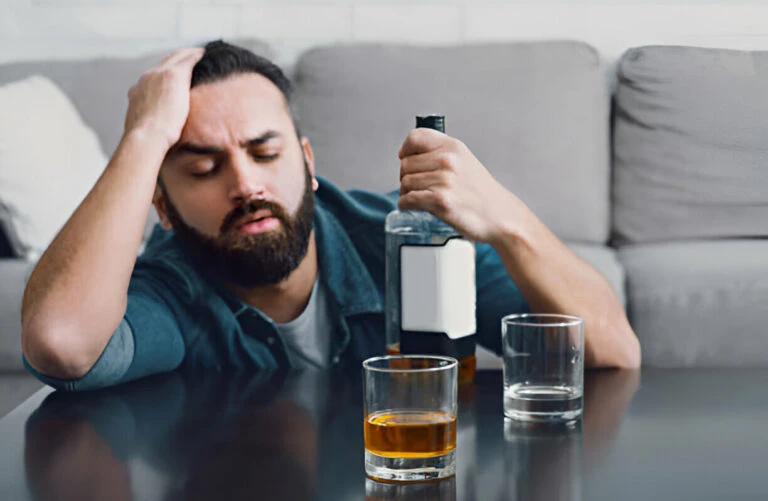
But months after my relapse, when things quietly started falling apart again, I realized something uncomfortable: the place that once helped me stand up might be the place I needed to return to.
For many of us, finding our way back starts with simply exploring getting help again.
The Shame That Shows Up After 90 Days
Relapse after real sobriety hits differently.
You’re not just dealing with substances again.
You’re dealing with the voice in your head saying:
“You knew better.”
“Everyone’s going to be disappointed.”
“You already had your chance.”
That voice can be brutal.
But here’s something I’ve learned talking with other alumni: that shame is often the very thing that keeps people stuck longer than the relapse itself.
Not the substance.
The silence.
Why Walking Back Through the Door Feels So Hard
Going back can feel like admitting defeat.
You imagine the awkward conversations.
You picture people shaking their heads.
But the truth most of us discover is this: treatment teams see people come back all the time.
Not because recovery “failed.”
Because recovery is rarely a straight line.
Sometimes it’s more like hiking a mountain in fog—you lose the trail, circle back, and find it again.
The Moment You Realize You’re Not Starting From Zero
This was the surprise for me.
Coming back didn’t mean starting over like a beginner.
I already knew things:
- what my triggers looked like
- what early warning signs felt like
- what honesty actually sounded like
- which coping tools helped—and which ones didn’t
Relapse didn’t erase those lessons.
It just proved I still needed them.
What Returning Actually Gave Me
The second time felt different.
Less pressure to “get it perfect.”
More honesty about where I struggled.
I talked openly about the cracks that showed up after those first 90 days—the loneliness, the overconfidence, the slow drift away from support.
And something unexpected happened.
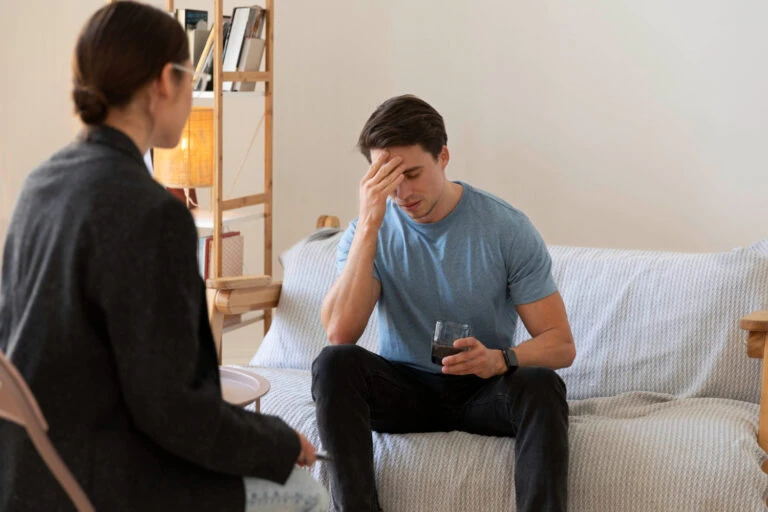
Instead of judgment, I found people who understood the exact spot I’d fallen from.
If you’re nearby, many alumni start rebuilding by reconnecting with programs offering treatment in Grove City or support through treatment in Dayton.
Sometimes a familiar environment helps you pick the trail back up.
The Truth Most Alumni Eventually Learn
Relapse doesn’t mean the work was fake.
Those sober days still matter.
They changed your brain.
They showed you what life could feel like.
They proved you’re capable of doing hard things.
And that knowledge becomes incredibly powerful when you come back.
Because the second time, you’re not chasing hope—you’ve already seen it.

If You’re Thinking About Coming Back
Let me say something I wish someone had told me sooner:
You’re not the only one who’s walked back through those doors feeling embarrassed, nervous, or unsure.
And you’re definitely not the only one who found that coming back was the decision that saved them.
If you’re considering returning to addiction treatment Columbus, that step alone says something important—you haven’t given up.
Not on yourself.
Not on recovery.
And that matters more than you think.
If you or someone you love is considering returning to care, call (888)643-7567 or visit our addiction treatment columbus services to learn more.