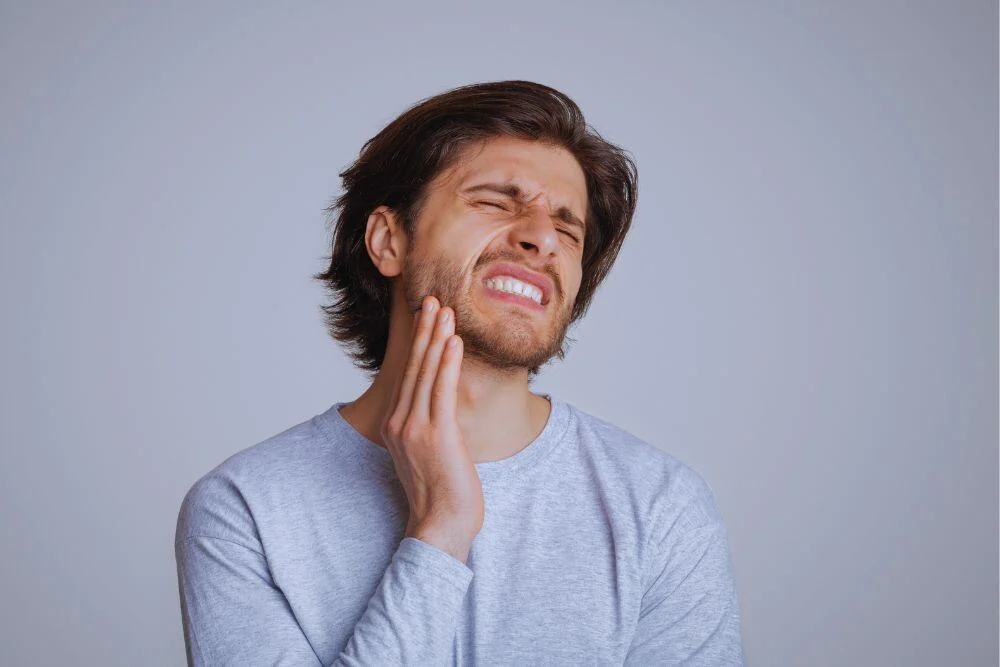


A clenched, tight jaw isn’t the first thing most people associate with cocaine use, but it’s one of the more common physical tells. Clinically, it’s called bruxism, the involuntary clenching or grinding of teeth, and it shows up frequently in people using cocaine because of how the drug affects the central nervous system. Some people describe it as their jaw “locking” during a high. Others notice it afterward, in soreness or headaches that don’t have an obvious cause.
What “Cocaine Jaw” Actually Is
Cocaine is a stimulant, and stimulants ramp up nervous system activity across the board, including the muscles that control the jaw. That overstimulation triggers involuntary clenching and grinding, sometimes intense enough to cause jaw pain, headaches, or worn-down teeth over time with repeated use. It’s not a rare side effect. Dentists who treat people with stimulant use disorders often see the physical wear before anyone mentions the underlying cause.
Other Physical Signs That Often Show Up Alongside It
Cocaine jaw rarely shows up in isolation. Other physical signs tend to cluster around it:
- Frequent nosebleeds or a constantly runny nose, tied to snorting the drug
- Dilated pupils, even in bright light
- Noticeable weight loss over a short period
- Restlessness or constant fidgeting
- Talking faster than usual, or seeming unusually wired
If these feel familiar, alongside the jaw clenching, it’s worth taking seriously rather than writing off as stress or a bad week.
Why This Matters Beyond the Jaw
Jaw clenching on its own isn’t dangerous. But as a recurring sign of active cocaine use, it points to something that does need attention: the cardiovascular strain, the sleep disruption, the way cocaine use tends to escalate in frequency and dose over time. Dental damage from prolonged grinding is real, but it’s usually the least serious consequence of what’s driving it. Treatment through a program like Freedom Recovery’s drug addiction treatment addresses the use itself, not just the physical symptoms it leaves behind.
What to Do If You Notice This in Someone You Love
Bringing it up rarely goes the way people rehearse in their heads. A direct, non-accusatory approach tends to work better than an ambush: mentioning what you’ve noticed, asking how they’re doing, and leaving room for them to respond without immediately being defensive. It won’t always land the first time. That’s normal, not a sign you did it wrong.
Frequently Asked Questions About Cocaine Jaw
Is jaw clenching from cocaine permanent?
The clenching itself typically stops once cocaine use stops, though dental damage from prolonged grinding, like worn enamel or cracked teeth, may need separate dental treatment.
Does it go away after quitting?
Yes, the involuntary clenching tends to resolve once the drug is out of someone’s system and use has stopped, though residual jaw tension can linger for a short period afterward.
Is this the same as “meth mouth”?
No. Meth mouth refers to severe dental decay tied to methamphetamine use, driven by dry mouth and poor oral hygiene during use. Cocaine jaw is muscular clenching, a different mechanism with different dental consequences.
Getting Help for Cocaine Use at Freedom Recovery
Noticing a physical sign like this is often the first moment a family member or the person themselves takes cocaine use seriously. Freedom Recovery offers outpatient treatment for cocaine and other stimulant use across Columbus and Central Ohio, built around evidence-based therapy rather than a one-size-fits-all program. If you’re ready to talk through what treatment could look like, call (888) 643-7567 or visit our contact page.