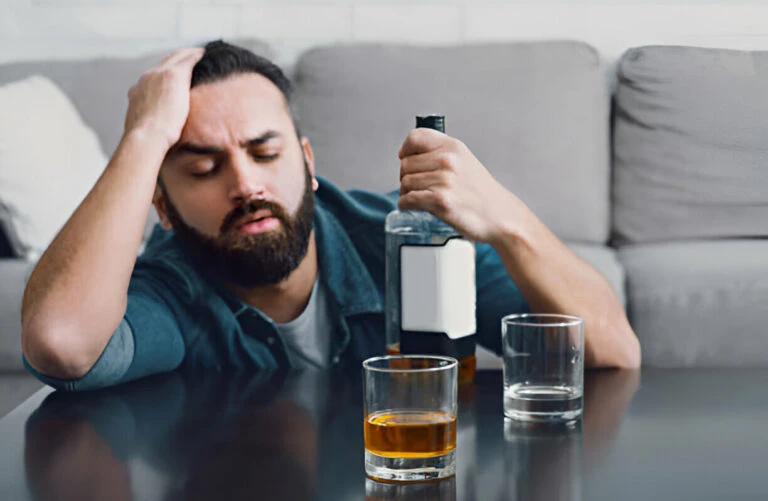


Cocaine withdrawal often looks different from what people expect. It usually doesn’t cause the severe physical illness associated with other substances. Instead, many people experience an intense crash marked by exhaustion, depression, anxiety, and powerful cravings. Those cravings can continue for weeks and often appear without warning. This can make early recovery difficult, even when withdrawal isn’t medically dangerous. A structured drug treatment program can provide support, therapy, and relapse prevention strategies throughout this vulnerable period.
Why cocaine withdrawal happens the way it does
Cocaine floods the brain with dopamine, then depletes it just as fast. Regular use trains the brain to expect that flood, and when it stops, the system is left running on far less dopamine than it’s used to. That’s the root of the crash: exhaustion, low mood, and a kind of flatness that can feel like depression because, chemically, it’s close to it. The brain hasn’t done anything wrong here. It adapted to a substance that rewired its reward system, and now it’s recalibrating without that input. Understanding that mechanism doesn’t make the crash comfortable, but it does explain why cravings can hit weeks after the physical crash has passed, long after someone might expect to feel normal again.
Symptoms, phase by phase
The crash phase hits first, usually within hours of the last use, and can last several days. This is where exhaustion is most severe, alongside a depressed mood, increased appetite, and a drive to sleep that can stretch well beyond normal. Some people sleep 12 or more hours a day during this window.
Once the acute crash eases, a longer withdrawal phase sets in, typically lasting one to several weeks. Cravings tend to be strongest here, arriving with little warning and sometimes triggered by something as ordinary as a smell, a location, or a stressful moment. Irritability is common, along with anhedonia, a diminished ability to feel pleasure from things that used to be enjoyable. Sleep patterns are often disrupted in the opposite direction now, with insomnia replacing the earlier oversleeping.
Beyond that, some people experience an extended phase that can run for months, marked less by constant symptoms and more by mood swings and occasional craving spikes that seem to come out of nowhere. This phase is where a lot of relapses happen, precisely because the person feels mostly fine and lets their guard down.
How long it lasts and what affects the timeline
The acute crash usually resolves within a week. The broader withdrawal phase, cravings and mood symptoms included, commonly runs anywhere from one to several weeks, and for some people stretches into months in a milder form. How long someone was using, how much, and how frequently all shape this timeline, as does whether other substances were involved, whether there’s an underlying mental health condition, and general physical health going into withdrawal.
The honest truth about medication
People often ask what medication can make this easier, expecting an answer similar to what’s available for opioid or alcohol withdrawal. There isn’t one. No medication currently has FDA approval specifically for treating cocaine withdrawal or cocaine use disorder. Some providers use certain medications off-label to manage specific symptoms like insomnia or depression during withdrawal, but there’s no equivalent to what buprenorphine does for opioids or what benzodiazepines do for alcohol withdrawal. That gap matters, because it means the real work of recovery from cocaine happens through behavioral treatment, not a prescription, and any program that implies otherwise isn’t being straight with you.
What helps: behavioral therapy, contingency management, and structured support
Contingency management has some of the strongest evidence behind it for cocaine use disorder specifically, using structured incentives to reinforce abstinence during the highest-risk early weeks. Cognitive behavioral therapy helps identify the specific triggers, people, places, moods, that tend to precede cravings, and builds concrete responses for when those triggers show up. Group settings add something individual therapy can’t: hearing from other people navigating the same unpredictable craving pattern, which cuts through the isolation that tends to make cravings feel bigger than they are.
None of this works well in a vacuum, which is why structure matters as much as the specific techniques. Freedom Recovery’s drug addiction treatment program combines these evidence-based approaches with consistent support during the weeks when cravings are least predictable and most disruptive.
If you’re in it right now
If you’re a few days into a crash, or a few weeks into a craving that won’t let up, the amount of structure and support around you during this window makes a real difference in whether it holds. Our partial hospitalization program is built for exactly this level of need, or you can contact our team directly to talk through what level of care fits your situation. Call (888) 643-7567 whenever you’re ready.