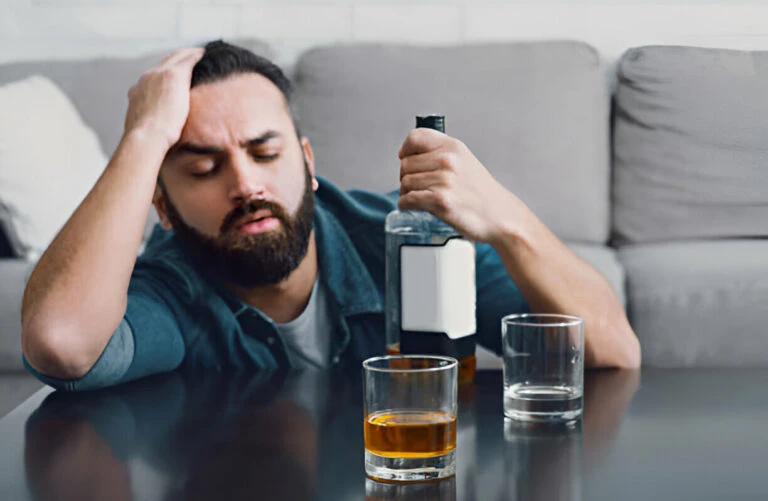


You’re looking for a way to sober up fast, and there’s probably a reason you need to feel clear again. Maybe you need to work, handle responsibilities, or simply stop feeling the effects of alcohol. Unfortunately, your body can’t rush the process. Your liver needs time to metabolize alcohol, regardless of what you eat, drink, or do afterward. Coffee and cold showers may increase alertness, but they won’t lower your blood alcohol level. If needing to sober up quickly happens often, it may signal a larger concern with drinking. Alcohol counseling can help you examine those patterns and develop healthier ways to manage alcohol use.
The honest answer: only time clears alcohol from your system
Your liver processes alcohol at a fixed rate, roughly one standard drink per hour, and nothing you eat, drink, or do changes that rate in any meaningful way. Coffee doesn’t metabolize alcohol faster. Cold showers don’t either. Throwing up might get rid of alcohol still sitting in your stomach if you do it soon enough after drinking, but it does nothing for what’s already in your bloodstream.
This is the part most “how to sober up” advice glosses over, because “wait it out” isn’t a satisfying answer when you’re the one waiting. But it’s the accurate one, and pretending otherwise is how people end up driving or making decisions while still impaired, just more confident that they aren’t.
What actually helps you feel more alert, and what’s a myth
Water helps, but not because it burns off alcohol. It counters dehydration, which is a big part of why you feel foggy and headachy, and it can make you feel noticeably more clear-headed even though your blood alcohol level hasn’t dropped any faster.
Food works similarly. Eating something, especially before or during drinking, slows how quickly alcohol gets absorbed in the first place. Eating after the fact won’t reverse absorption that already happened, but it can settle your stomach and help you feel more human.
Rest is the other genuine lever. Your body clears alcohol whether you’re awake or asleep, so sleeping doesn’t slow the process down, and it gives your brain time to recover from the parts of drunkenness that aren’t strictly about blood alcohol content, like disrupted coordination and slowed reaction time.
Coffee is the classic myth. Caffeine makes you feel more alert and can mask some symptoms, which is exactly the problem: you might feel sober enough to drive when your blood alcohol content hasn’t moved. Cold showers work the same way, jolting you awake without touching the alcohol itself. Charcoal capsules, sometimes marketed as hangover prevention, have no real evidence behind them for speeding up sobriety and can interfere with medications if you’re taking any.
Why this matters for driving and safety
This is where the myths get dangerous. Feeling more alert after coffee or a cold shower is a false signal. Your judgment, reaction time, and coordination can still be significantly impaired even when you feel sharper than you did twenty minutes ago. Blood alcohol content is the only thing that actually determines whether you’re safe to drive, and no home remedy touches it. If there’s any real doubt, the safer call is always a ride, not a shortcut.
When “I need to sober up fast” keeps happening
Once in a while, sure, this is just a practical question. But if you find yourself in this situation regularly, needing to sober up before work, before driving, before seeing family, that pattern is worth a second look. It’s less about any single night and more about what your drinking is starting to cost you in terms of planning around it.
Freedom Recovery works with people at exactly this stage, before things have escalated to a crisis, through outpatient alcohol treatment that fits around your actual schedule. You don’t have to wait for rock bottom to ask whether your relationship with alcohol has changed.
Talking to someone about your drinking
If part of you is reading this because the question feels bigger than tonight, that instinct is worth trusting. A conversation with a clinician isn’t a commitment to anything, it’s just a chance to get an honest read on where things stand, from someone who isn’t going to lecture you about it.
Reach out to Freedom Recovery or call (888) 643-7567 if you want to talk it through. We’re guided by faith and built on science, and we meet people wherever they’re starting from.