


A lot of people reach the point where they know they need help but feel stuck on one question:
How am I supposed to do treatment and keep my life together?
If you’re balancing work, family responsibilities, school, or financial obligations, the idea of stepping away from everything can feel impossible. The good news is that addiction treatment isn’t one-size-fits-all. Many people find recovery through programs designed to fit their real lives.
If you’re exploring addiction treatment in Columbus, understanding your options can make that first step feel a little less overwhelming.
The Fear Isn’t Always Treatment—It’s Everything Around It
As a clinician, I’ve had countless conversations with people who weren’t afraid of recovery itself.
They were afraid of losing their paycheck.
Afraid of explaining an absence to their employer.
Afraid of letting their family down.
Afraid that getting help would create more problems than it solved.
Those concerns are real. Recovery doesn’t happen in a vacuum. Most people seeking treatment are also trying to maintain relationships, pay bills, and keep up with daily responsibilities.
Treatment works best when it recognizes that reality instead of ignoring it.
You Don’t Have to Choose Between Recovery and Responsibility
Many first-time treatment seekers assume their only option is leaving home for weeks or months.
For some people, that level of support is exactly what’s needed. For others, flexible treatment models can provide meaningful care while allowing them to continue managing important parts of daily life.
This is where conversations about inpatient vs outpatient rehab often begin.
The right choice depends on factors such as:
- The severity of substance use
- Physical withdrawal risks
- Mental health needs
- Home environment
- Work and family responsibilities
- Previous treatment experiences
A treatment team can help determine which level of care offers enough support without creating unnecessary disruption.
Recovery Should Fit Your Life, Not the Other Way Around
Think of treatment like building scaffolding around a house under repair.
The goal isn’t to tear the entire structure down. The goal is to create enough support for meaningful work to happen safely.
For some people, that means round-the-clock support.
For others, it means structured daytime care or multi-day weekly treatment that allows them to return home afterward.
Recovery often becomes more sustainable when treatment is built around your actual circumstances rather than an idealized version of life.
What If You’re the Person Everyone Depends On?
This concern comes up often.
Parents worry about their children.
Professionals worry about their careers.
Caregivers worry about leaving loved ones without support.
The reality is that addiction already takes time, energy, attention, and emotional bandwidth. Many people are surprised to discover that untreated substance use has been quietly disrupting their lives far more than treatment ever would.
Seeking help isn’t abandoning your responsibilities.
It’s addressing something that may already be making those responsibilities harder to carry.
Treatment Can Start With a Conversation, Not a Commitment
One of the biggest misconceptions about treatment is that making a phone call means signing up immediately.
It doesn’t.
An initial conversation is simply a chance to understand your options.
You can ask questions.
You can discuss your schedule.
You can talk about concerns related to work, family, insurance, or privacy.
Most importantly, you can get clarity.
Fear thrives in uncertainty. Information tends to shrink it.
If you’re exploring treatment options beyond Columbus, you may also want to learn about available treatment options in Grove City or compassionate care in Upper Arlington.
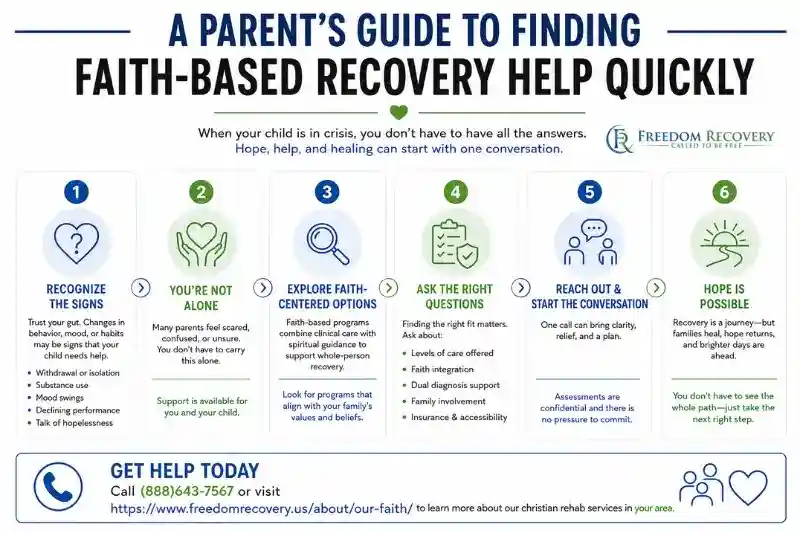
You Don’t Have to Feel Certain to Take the First Step
Many people believe they need complete confidence before reaching out for help.
That’s rarely how it works.
Most people call while they’re scared.
They call while they’re unsure.
They call while wondering whether treatment will actually help.
That’s normal.
The first step isn’t certainty. It’s willingness.
And sometimes willingness looks as simple as asking a question.
Recovery isn’t a test you have to pass. It’s support you can accept.
If you’ve been carrying this decision alone, know that you don’t have to figure everything out before reaching out.
Call (888) 643-7567 or visit our addiction treatment Columbus services to learn more about our addiction treatment Columbus services.