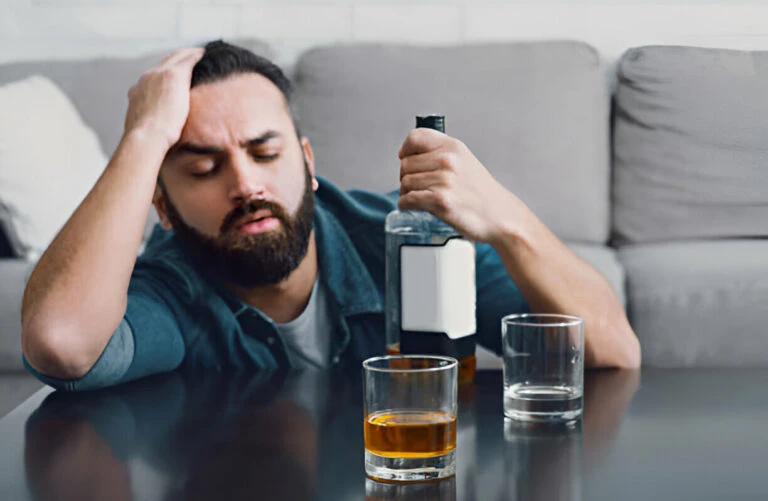


You’ve tried treatment before, maybe multiple times, yet you keep finding yourself back in the same cycle of addiction. Hope feels distant—something other people talk about, not something you’ve experienced. It’s understandable if the thought of trying again seems pointless, exhausting even. But if you’re skeptical, know this: Medication Assisted Treatment (MAT) isn’t about forcing false promises or quick fixes. Instead, it offers something quieter and more powerful—a path that gently leads toward lasting recovery.
As someone who has guided many people through this journey, I’ve seen firsthand how MAT can quietly rebuild trust, restore hope, and transform the lives of people who once thought recovery was impossible.
Let’s walk through this gently, step by step.
When Treatment Has Failed Before
If you’re feeling skeptical about another attempt at recovery, you’re not alone. It’s heartbreaking and exhausting to repeatedly climb toward sobriety, only to slip backward. Each relapse might feel like proof that recovery won’t work for you.
Medication Assisted Treatment approaches addiction differently. It acknowledges the complexity of addiction, tackling the physical, emotional, and psychological aspects simultaneously. Unlike traditional methods that might leave you feeling stranded after detox, MAT combines medication with counseling and ongoing support, gently helping you manage cravings and emotional upheaval.
It’s okay if hope feels small right now. MAT is designed precisely for moments like these.
Why Medication Assisted Treatment Works Differently
Medication Assisted Treatment is unique because it blends evidence-based medications with compassionate therapy and community support. Medications used in MAT, such as buprenorphine or naltrexone, significantly reduce withdrawal symptoms and cravings, making physical recovery achievable.
But medication alone isn’t the whole story. MAT emphasizes ongoing counseling, helping you address the underlying emotional or psychological wounds that fuel addiction. It’s a comprehensive, gentle approach that recognizes the full complexity of your experience, offering more than short-term relief—it builds lasting resilience.
In other words, MAT doesn’t just remove substances from your life; it gives you the tools to rebuild your life without them.

Quietly Rebuilding Trust in Yourself
One of the hardest parts of addiction is the loss of trust—especially in yourself. You may doubt your ability to maintain sobriety because of past relapses, convincing yourself that long-term recovery is out of reach.
MAT addresses this fear directly by providing steady, consistent progress that rebuilds trust gradually. Instead of expecting immediate miracles, MAT celebrates small, everyday victories: the mornings you wake up without craving, the evenings when anxiety doesn’t overwhelm you, the days when you simply feel steady.
These quiet victories accumulate, each one gently building your belief in your ability to achieve lasting sobriety.
Stability Over Sudden Change
There’s a misconception about recovery—that it’s always about sudden dramatic changes. This idea might fuel your skepticism. After all, sudden changes can be hard to sustain.
Medication Assisted Treatment offers something different: stability. It quietly eases withdrawal and cravings, allowing your mind and body to find equilibrium slowly. This steady approach means you aren’t expected to suddenly overhaul everything at once.
You’re given time, patience, and space to make changes at a pace that feels safe and sustainable.
Real Stories of People Like You
You might still wonder if MAT really works for people who’ve struggled deeply, who’ve tried treatment multiple times before. At Freedom Recovery, located in Columbus, Ohio, we’ve witnessed countless quiet but profound transformations. People who were once certain sobriety was impossible now live stable, fulfilling lives through Medication Assisted Treatment & Outpatient Detox in Ohio.
These stories aren’t flashy or loud—they’re quiet victories, powerful in their simplicity. One former client shared, “I didn’t think anything could help me. MAT didn’t just help—it gave me a life back, day by day.”
Stories like these can become yours too.
You Are Not Alone, Even in Skepticism
Addiction isolates, convincing you that you’re alone in your struggle, that no one truly understands your skepticism about recovery. But the truth is, many people feel exactly as you do.
MAT gently interrupts this isolation. It connects you to communities of people who’ve walked similar paths, people who understand your doubt and pain, who won’t judge you for feeling hopeless. You’ll be met with compassion and understanding—not pressure or false cheerfulness.
It’s okay if you don’t feel hopeful yet; we’ll hold onto hope for you until you can.
How MAT Makes Long-Term Sobriety Achievable
The goal of Medication Assisted Treatment isn’t just short-term relief—it’s sustainable, lifelong sobriety. By treating both physical dependence and emotional triggers, MAT reduces the risk of relapse, supporting you over the long haul.
Medication helps stabilize your physical health, while counseling equips you with coping strategies for emotional resilience. Over time, sobriety stops feeling like an impossible mountain to climb and starts becoming your normal way of life.
MAT gently moves sobriety from an overwhelming goal into an achievable daily reality.
Frequently Asked Questions about Medication Assisted Treatment (MAT)
What exactly is Medication Assisted Treatment?
Medication Assisted Treatment combines medications like Suboxone (buprenorphine) or Vivitrol (naltrexone) with therapy and counseling to effectively manage addiction, withdrawal symptoms, and cravings.
Does MAT just substitute one addiction for another?
No. Medications used in MAT are carefully prescribed and monitored. They stabilize your brain chemistry without producing the high of substance use, helping you focus on recovery.
Is Medication Assisted Treatment effective for long-term sobriety?
Yes. MAT is proven effective for achieving sustained recovery. It significantly lowers relapse risk by addressing both physical and emotional aspects of addiction.
Do I have to stay on medication forever with MAT?
Not necessarily. Some people use MAT short-term to stabilize during early recovery, while others benefit from longer-term use. Your treatment plan is tailored specifically to your needs and can be adjusted over time.
Does MAT really help people who’ve tried treatment before?
Absolutely. Many people who haven’t found success in other treatments finally achieve long-term sobriety with MAT because it offers comprehensive, ongoing support tailored specifically to their needs.
Can MAT help me rebuild trust in myself?
Yes. MAT provides consistent, predictable support that allows you to build self-trust gradually. You’ll find yourself making healthier choices naturally over time, reinforcing your confidence and hope.
Is Medication Assisted Treatment available in Columbus, Ohio?
Yes. Freedom Recovery provides comprehensive MAT outpatient detox and supportive counseling services in Columbus, Ohio, making recovery accessible to those in the local community.
Recovery doesn’t have to feel impossible forever. Medication Assisted Treatment can gently shift your journey from hopelessness to genuine healing, quietly rebuilding trust and stability one day at a time.
You don’t have to believe fully yet—just consider the possibility.
Call (888)643-7567 or Contact Us to learn more about our Medication Assisted Treatment services in Columbus, Ohio.