

There’s a kind of silence that happens after relapse. It’s not quiet like peace. It’s quiet like shame.
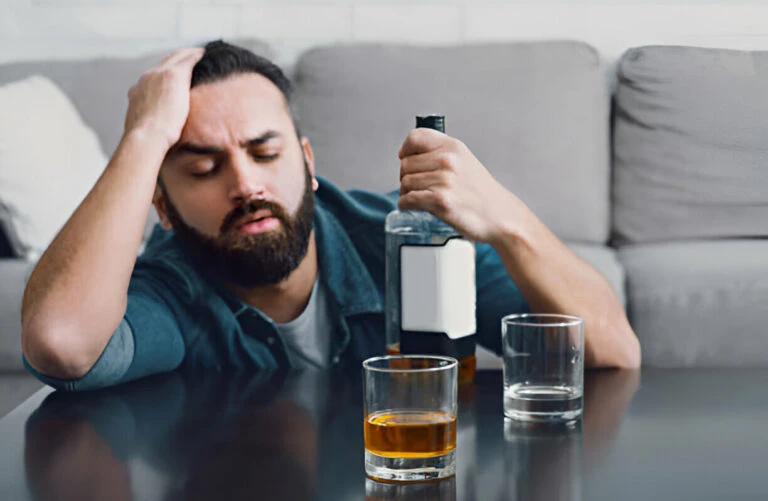
I remember sitting in my car outside my apartment, still wearing my work badge, the bottle cap tucked under my seat. I had 93 days sober. I wasn’t supposed to be here. Again.
I didn’t even remember how I got home the night before. Just that I had erased something precious—and I couldn’t stop replaying it in my mind. My sponsor’s face. The group chat. My chip.
This story isn’t about how I “fell.” It’s about how I got up—and how the Partial Hospitalization Program at Freedom Recovery became the ground I landed on.
Learn more about our Partial Hospitalization Program in Columbus, Ohio.
I Thought I Had to Start Over From Zero
Relapse has a way of distorting everything.
Even though I knew—logically—that relapse is part of many people’s stories, emotionally I felt like I’d erased every bit of progress I’d made. I couldn’t look people in the eye. Couldn’t imagine walking back into a room where I’d once spoken with pride about being 90 days clean.
I remember texting someone from my original group and saying, “It’s gone. All of it. I messed everything up.”
What they said back changed me:
“You didn’t lose your recovery. You just need a hand getting back to it.”
I Didn’t Need Inpatient. I Needed Something Realistic and Safe.
I was afraid I’d need to go back to inpatient treatment—which didn’t feel possible with my job, my rent, and honestly, my emotional energy.
That’s when someone mentioned Partial Hospitalization. I hadn’t seriously considered it before. It sounded clinical, intense, maybe even too structured. But once I understood it better, it was exactly what I needed.
Six hours a day, five days a week. Not 24/7 lockdown. Not back to square one. Just… stability. Depth. A space to work through what led to my relapse and figure out how to stay grounded again.
And at Freedom Recovery in Columbus, I felt like I could do that work without being treated like a failure.
I Didn’t Have to Explain Everything on Day One
Walking back in was terrifying. Not because of the people—because of the weight I was carrying.
I expected questions. Suspicion. Maybe even a tone.
Instead, I was met with, “We’re glad you’re here. Let’s figure out what you need.”
They didn’t ask me to defend myself. They didn’t want a detailed timeline of my relapse. They just saw someone who still wanted to get better—and that was enough.
That was when I realized: I didn’t need to earn a second chance. I just needed to accept it.
The Program Felt Human—Not Just Clinical
The structure of PHP helped me breathe again.
There was rhythm to my days—something I hadn’t had during the chaos. Group therapy in the morning. Individual sessions after lunch. Mindfulness practices I had rolled my eyes at last year, but now clung to like a rope.
But what stuck with me most wasn’t the schedule—it was the people.
A clinician remembered I always had anxiety before lunch and checked in beforehand. Another group member waited after session one day just to say, “I get it. I came back too.”
Little things. But they made me feel safe enough to stay.
Forgiveness Took Time—and Action
I thought I had to feel forgiven before I could move forward.
But I learned that self-forgiveness doesn’t always start with emotion. Sometimes it starts with behavior. With showing up even when your inner critic is screaming. With choosing breakfast over punishment. With saying, “Yes, I’ll come tomorrow,” and meaning it.
Forgiveness started slow. Like standing in the doorway before walking in. Like being quiet in group, then speaking a little. Like making eye contact. Like accepting a compliment.
Eventually, it became a voice inside me too:
“You messed up. You’re still worthy.”

I Learned to Rebuild Instead of Restart
Before PHP, I thought relapse meant I had to rebuild my identity from scratch. That everything I’d gained was null and void.
But the truth is, recovery is cumulative. Even the painful parts add to the whole.
I didn’t start over. I started again. With better awareness of my triggers. With new insight into what I’d been avoiding. With softer expectations.
And instead of white-knuckling it alone, I stayed connected. I found an alumni group. I kept in touch with a peer from PHP. I even helped someone else get back in after they relapsed.
That felt like healing. Like forgiveness turning into purpose.
You Can Come Back From This Too
If you’re reading this with a knot in your stomach, I want to say something clearly:
Relapse doesn’t mean you’re back at the beginning.
It means something needs tending. It means something’s hurting. It means your system got overwhelmed—and now you need care. Not punishment.
Whether you’re feeling shaky, disappointed, ashamed, or just tired, you’re not the only one who’s been here.
And if you’re near Dayton or Galion, you don’t have to do this alone. There are people who will meet you exactly where you are.
FAQs: Partial Hospitalization After Relapse
What is a Partial Hospitalization Program?
A Partial Hospitalization Program (PHP) is a structured treatment option that provides full-day care (usually 5–6 hours/day) without requiring you to live at the facility. It bridges the gap between inpatient and outpatient care.
Is PHP only for people who’ve never been in recovery before?
Not at all. Many alumni re-engage through PHP after a relapse or emotional decline. It’s designed to support both first-timers and returners.
Will I be judged for relapsing before entering PHP?
No. Judgment has no place in recovery care. At Freedom Recovery, relapse is seen as a moment to re-engage—not something to be ashamed of.
Can I still work or manage responsibilities during PHP?
Yes, depending on your schedule. PHP often runs during the day, so some clients arrange flexible work hours or use medical leave. Your team will work with you to find balance.
How long will I be in PHP?
It varies. Some people attend for a few weeks, others for longer. Your progress and needs will help shape your timeline.
Is it okay if I’m not sure I’m ready?
Absolutely. Uncertainty is common—especially after relapse. You’re allowed to be unsure and still reach out. We’ll help you figure it out together.
Recovery Isn’t a Straight Line—It’s a Loop with Exits Back In
The world talks about recovery like it’s a ladder you climb and never fall from. But real recovery? It’s more like a loop.
You circle back to old truths with new understanding. You revisit parts of yourself you thought were healed. You return to the work—not because you failed, but because it matters.
If you’re on the edge of coming back, I want you to hear this:
You’re not disqualified. You’re not behind. And you don’t have to do this alone.
Ready to take a gentle next step?
Call (888)643-7567 or visit Freedom Recovery’s Partial Hospitalization Program in Columbus, Ohio to learn more about our PHP services. You’re still in it—and we’re here when you’re ready.