

I wasn’t falling apart—I was functioning. That was the dangerous part.
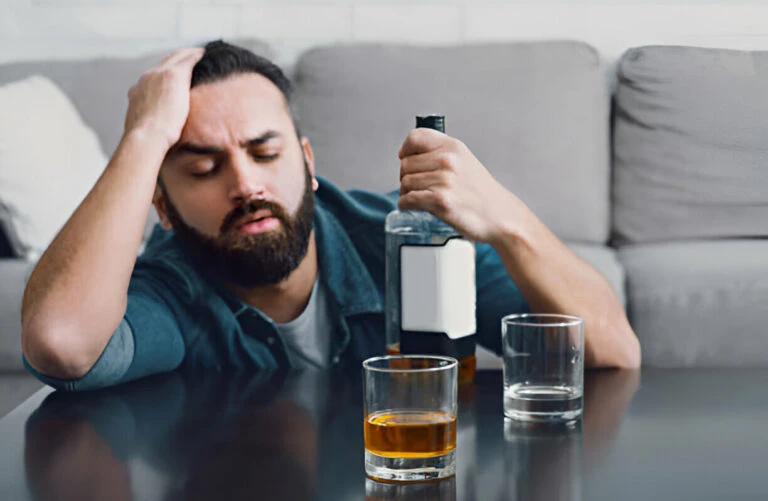
Every morning I got up, answered emails, hit my deadlines, laughed at coworkers’ jokes, and made it to dinner with family. On paper, I was fine. But under the surface? I was bracing myself every hour of the day. Bracing for the shame. Bracing for the silence. Bracing for the next drink.
I didn’t think outpatient rehab was “for someone like me.” Turns out, it was exactly what I needed.
And it might be exactly what you need too. Freedom Recovery’s outpatient rehab program helped me realize I hadn’t been living—I’d just been surviving.
The Myth of the “Functional” Addict
There’s a kind of addict that makes sense to people. The kind that’s visibly struggling. Losing jobs, sleeping through obligations, spiraling out in public.
Then there’s us. The calendar-keepers. The overachievers. The ones who perform so well that no one would dare ask what’s really going on. Not even us.
But here’s what I’ve learned: Being functional doesn’t mean you’re okay. It just means you’ve gotten really good at hiding the cost of not being okay.
For me, that cost was everything: intimacy, rest, emotional presence, self-respect. I lost those slowly, so quietly I didn’t even notice.
How I Ended Up in Outpatient Rehab
I didn’t wake up in a hospital. There was no dramatic intervention. Just a Tuesday afternoon when I looked at my reflection in the break room window and didn’t recognize myself.
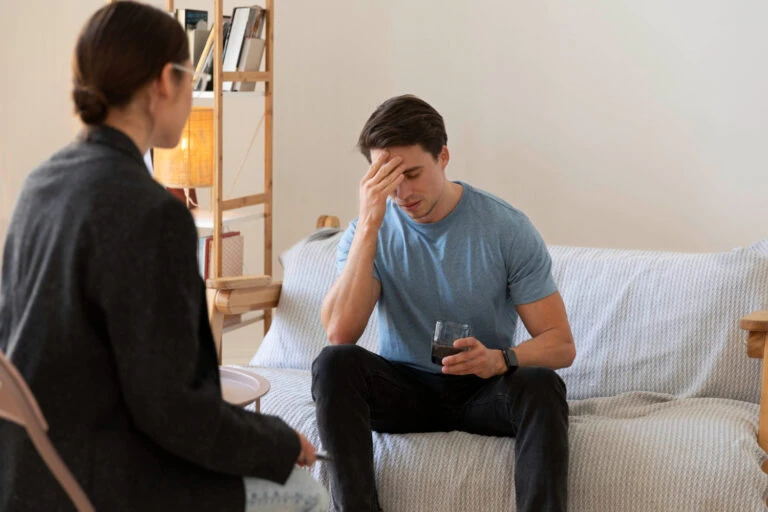
I called a therapist who asked about my drinking. I said, “I’m managing.”
He asked, “Is managing the same as living?”
That sentence cracked something open.
Within a week, I enrolled in an outpatient rehab program. No overnight stay, no big announcement. I could keep working, keep showing up for my life—just with a new kind of honesty.
Outpatient Rehab Didn’t Take My Life Away. It Gave It Back.
I assumed treatment meant stepping out of my life. But outpatient care worked with my life.
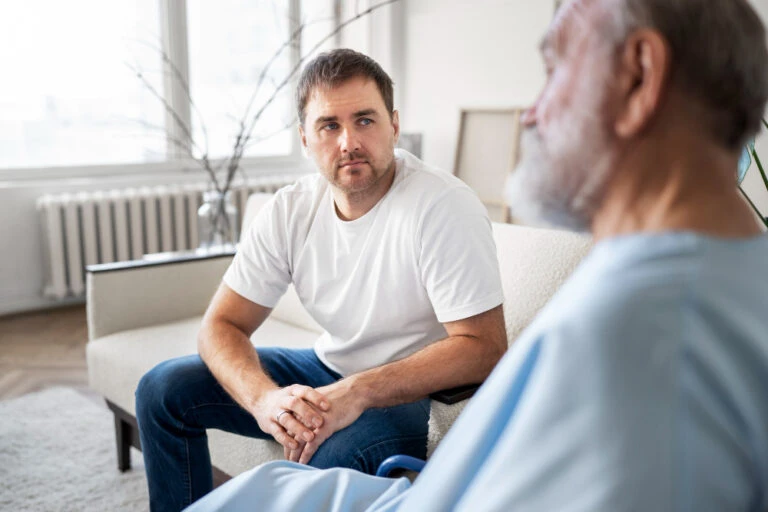
Three evenings a week, I sat in a room with people like me—parents, teachers, engineers, small business owners—each of us carrying the quiet weight of “managing.”
We weren’t forced to declare rock bottom. We were just asked to be real.
Real about what alcohol or pills or weed had taken from us. Real about the ways we used productivity to dodge pain. Real about how tired we were of the performance.
The permission to be honest without being punished? That was new. That was healing.

Why High-Functioning Doesn’t Mean Low-Risk
Here’s the lie many of us believe: “As long as I’m functioning, it’s not a problem.”
But the real question is: What does it cost to keep functioning?
Are you drinking to fall asleep? Lying to your partner about how much? Planning your day around how to use without raising suspicion?
I wasn’t missing work. But I was missing my life. Missing connection. Missing rest. Missing the parts of myself I used to like.
Outpatient rehab helped me see that functioning was a mask—and the mask was strangling me.
I Found Rest in a Room Full of People Who Get It
You know what’s more exhausting than being addicted?
Being addicted and pretending you’re not.
In outpatient rehab, I didn’t have to pretend anymore. That alone felt like a full-body exhale.
We talked about shame, perfectionism, trauma, work stress—things I never thought had anything to do with my drinking. But they did.
I realized I wasn’t weak or broken. I was coping the only way I knew how. And now, I was learning something better.
Outpatient Was the Right Fit—And It Was Enough
Outpatient rehab isn’t a watered-down version of real treatment. It’s just a different container. And for people like me—high-functioning, scared of disruption, terrified of being found out—it can be the only doorway we’ll walk through.
It’s structured, yes. But it’s also flexible, dignified, and deeply human. It allowed me to step into recovery without stepping away from my life.
And that’s what kept me coming back.
There’s Help Before You Hit a Wall
You don’t have to wait until everything burns down to ask for help.
If you’re waking up with regret, running on caffeine and shame, hiding your use while convincing yourself it’s manageable—you’re not alone. You’re also not “not sick enough.”
If any part of this sounds familiar, help is available in Dayton—and it doesn’t require a crisis to qualify.
Outpatient Rehab FAQ
What is outpatient rehab?
Outpatient rehab is a structured addiction treatment program that allows you to live at home and continue daily responsibilities while attending therapy, group sessions, and support programming several times a week.
Do I have to stop working to go?
No. That’s what makes outpatient care ideal for high-functioning people. You can continue your job and home responsibilities while getting support during designated hours—often evenings or weekends.
Will people find out I’m in rehab?
Outpatient treatment is private and confidential. Unless you choose to share your participation, no one needs to know. It’s designed to integrate with your life, not interrupt it.
Is outpatient care enough for serious addiction?
For many people, yes. Especially those who are still functioning in daily life but experiencing emotional or physical consequences from substance use. The level of care depends on your situation, and Freedom Recovery can help you find the right fit.
How do I know if I need treatment?
If you’re asking the question, it’s worth exploring. Outpatient care is often a good starting point for people who feel something’s not right—even if they haven’t “hit bottom.”
You Don’t Have to Keep Pretending You’re Fine
I thought I was managing. Outpatient rehab helped me realize I was barely holding on. Now, I’m learning how to live—without the shame, without the secrets, without the constant self-negotiation.
You deserve that too.
📞 Ready to feel like yourself again? Call (888)643-7567 or visit to learn more about our Outpatient rehab services in Columbus, Ohio.